

Malta is compact enough to feel manageable, but varied enough to fill a week without repeating the same kind of day. Within a short distance you can move from the honey-coloured streets of Valletta and Mdina to swimming coves, prehistoric temples, fishing villages, lively waterfronts and the quieter landscapes of Gozo. That combination is exactly why planning matters: the islands look small on a map, yet traffic, ferry connections and the summer heat can turn an over-packed itinerary into a tiring one.
This guide is designed for a first trip. It explains where to base yourself, how many days to allow, when to go, how transport works, what deserves advance booking and how to combine Malta, Gozo and Comino without spending the holiday in transit. For individual places, use it together with our guides to Valletta, Mdina and Rabat and Gozo.
Plan your Malta trip
Compare current options before you book. Availability and prices can change by date.
Affiliate links: My Malta Trip may earn a commission at no extra cost to you.
Malta at a glance
| Capital | Valletta |
| Currency | Euro (€) |
| Languages | Maltese and English |
| Driving | Left-hand side |
| Main airport | Malta International Airport (MLA) |
| Best trip length | 5–7 days for a first visit |
| Best for | History, sea, short breaks, families, couples and island-hopping |
How many days do you need in Malta?
For a first visit, five days is the minimum I would choose if you want more than a quick city break. It gives you time for Valletta, Mdina, one beach or coastal day, a day in Gozo and a final day for the Three Cities, Marsaxlokk or Comino. Seven days is more comfortable because you can slow down, add a proper beach day and avoid treating Gozo as a checklist.
A three-day trip can still work well, especially outside summer, but keep the geography tight: one day in Valletta and the Three Cities, one day in Mdina/Rabat, and one coastal or Gozo day. If you have a week, our 5-day Malta itinerary is a useful core that can be extended with a second Gozo day or more time by the sea.
The best time to visit Malta
April to June and September to October are the easiest months for travellers who want both sightseeing and outdoor time. Days are generally warm, the sea becomes increasingly inviting, and walking around Valletta, Mdina and the temples is far more comfortable than during the hottest part of summer. July and August are ideal if your priority is swimming and long evenings, but expect stronger sun, fuller beaches and more pressure on buses, ferries and popular attractions.
Winter is underrated for culture-focused trips. Malta is not a tropical winter-sun destination, so wind and rain are possible, but distances remain short and the islands still offer museums, churches, archaeological sites and restaurants. If you are visiting mainly for the sea, aim for late spring through early autumn; if you are coming for history and cities, the shoulder seasons are usually the sweet spot.
Where should you stay?
The right base changes the experience dramatically. Valletta is excellent for atmosphere, architecture and ferry connections, but it is not a beach resort. Sliema is practical and well connected, with a long waterfront and easy access to Valletta by ferry. St Julian’s suits travellers who want restaurants and nightlife nearby. Mellieħa makes more sense for beaches and families, while Gozo deserves at least a night or two if you prefer quiet evenings and rural scenery.
Our detailed where to stay in Malta guide compares the areas by atmosphere, transport and traveller type. If you are ready to compare accommodation, you can also check current Malta hotel availability on Booking.com.
Getting around Malta without wasting time
You do not need a car for every trip. Malta Public Transport operates buses across Malta and Gozo, and the official network is extensive. Current visitor fares include single tickets as well as multi-day products; the official fare table lists €2 winter and €2.50 summer day tickets, while visitor passes can be better value if you expect to use buses repeatedly. Always check the latest options on Malta Public Transport before buying.
Buses are useful but not magically fast. Routes often converge on major hubs and road congestion can make a short-looking trip take longer than expected. Ferries can be a smarter choice around the harbours: the Valletta–Sliema connection and services toward the Three Cities save time and give you some of the best views of the fortified waterfront. For a full comparison of buses, ferries, taxis and driving, see our Malta transport guide.
The places I would prioritise on a first trip
Valletta
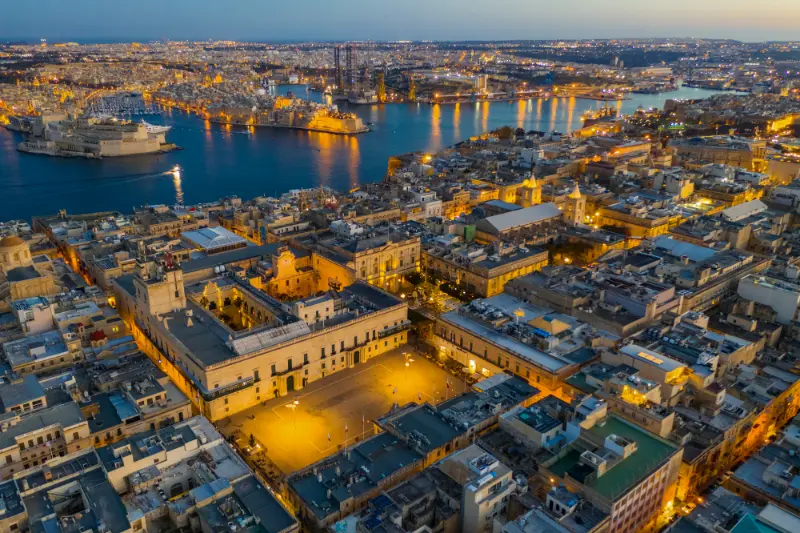
Malta’s capital is compact, but it rewards slow walking. Start around the Upper Barrakka Gardens, look across the Grand Harbour, then move through the grid of streets toward St John’s Co-Cathedral, the waterfront and the quieter side streets around the fortifications. The city is best before the day-trip crowds build or in the late afternoon when the limestone turns golden.
Mdina and Rabat
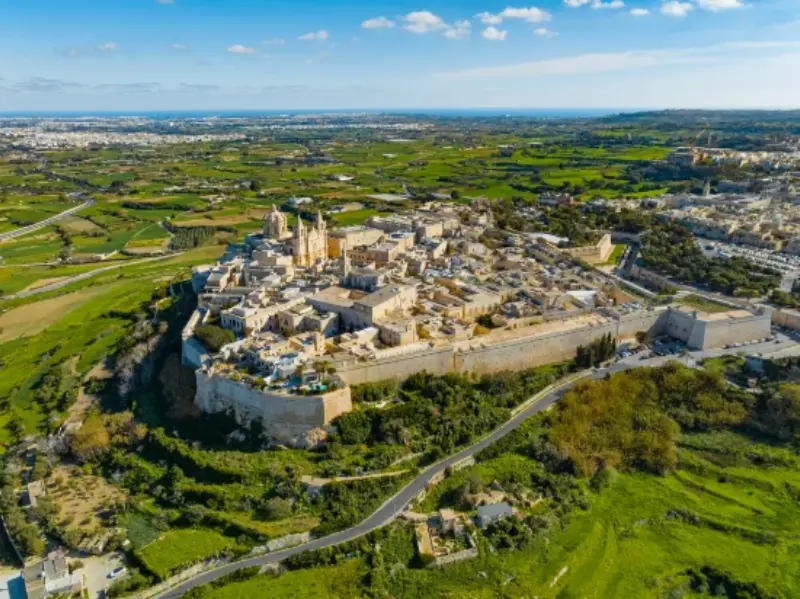
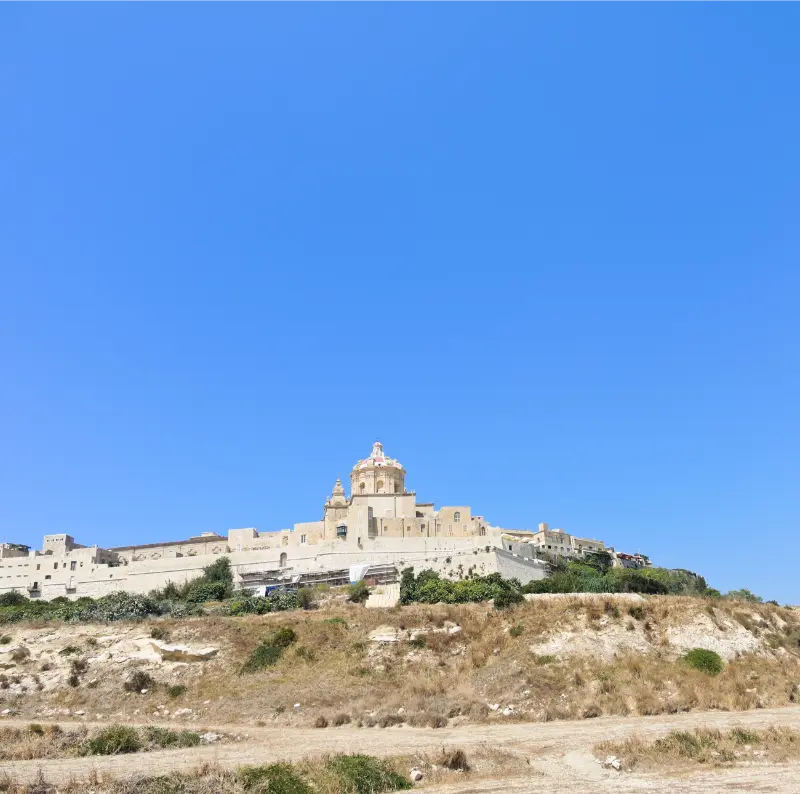
Mdina is the postcard stop, but do not leave after one loop of the walled city. Walk through Rabat as well. The contrast between Mdina’s formal palaces and silent lanes and Rabat’s lived-in streets, cafés and archaeological sites makes the pair much more rewarding than Mdina alone.
Gozo
Gozo feels slower and more rural. The Citadel in Victoria, Ramla Bay, the salt pans, Ta’ Pinu and the west-coast cliffs can easily fill a day, though staying overnight is better. Gozo Channel currently lists the Ċirkewwa–Mġarr crossing at about 25 minutes and operates daily; check the current Gozo Channel timetable before setting out.
Comino and the Blue Lagoon
The Blue Lagoon is spectacular when the water is clear and the light is right, but it is also one of Malta’s most visited places. Malta now uses a visitor booking system for access, so do not simply arrive assuming the old free-for-all system still applies. Check the official Blue Lagoon visitor information before your excursion. If crowds matter to you, consider a very early boat or spend more time around Comino beyond the main lagoon.
Beaches and swimming: Malta is not one single beach holiday
Malta mixes sandy beaches with rocky bathing platforms, natural pools and cliff-backed coves. Mellieħa Bay is one of the easiest choices for families because of its long sandy shoreline and shallow water. Golden Bay is straightforward for a classic beach day, while Għajn Tuffieħa feels more scenic and requires a descent. St Peter’s Pool is completely different: a rocky swimming spot rather than a conventional beach.
If swimming is central to your trip, read our guide to the best beaches in Malta before choosing your hotel. Staying in Valletta and commuting to beaches every day is possible, but it is not always the most relaxing plan.
Food worth looking for
Maltese food reflects the islands’ position between southern Europe and North Africa. Look beyond resort menus for pastizzi, rabbit dishes, ftira, gbejna cheese, lampuki when in season and simple seafood. Valletta and the harbour towns have a broad restaurant scene, while villages and Gozo are good places to try more traditional cooking. Food does not need a separate trip itinerary, but it should be part of how you choose your neighbourhoods and day stops.
Practical things first-time visitors often overlook
- The sun is intense. Carry water, sunglasses and high-factor sunscreen even when sightseeing rather than going to the beach.
- Many historic streets include steep slopes, steps and polished stone. Comfortable shoes matter more than fashionable ones.
- Malta uses Type G electrical plugs, the same three-pin standard used in the UK.
- English is widely spoken, making independent travel easy for international visitors.
- Swimming conditions can change quickly with wind. A beautiful bay on one coast may be rough while the opposite side of the island is calm.
- For churches and religious sites, dress respectfully and remember that tourist opening hours can change for services and feast days.
A simple first-trip strategy
- Choose your base according to your priority: culture, nightlife, beaches or quiet.
- Group sightseeing geographically: Valletta + Three Cities, Mdina + Rabat, north Malta + beaches, Gozo as a separate day.
- Pre-book the few experiences that genuinely need it, especially Blue Lagoon access in the current system and high-demand summer activities.
- Leave at least one half-day unplanned. Malta is at its best when you have time to stop for a harbour view, a swim or a village street that was not on your list.
Frequently asked questions
Is Malta expensive?
Malta can be moderate rather than cheap. Accommodation in the most popular areas can be expensive in peak summer, while buses and casual food remain relatively manageable. Travelling in May, June, September or October often gives a better balance of weather and hotel prices.
Can you visit Malta without renting a car?
Yes. A car is useful for remote bays and flexible touring, but many first-time visitors are happier combining buses, harbour ferries, taxis and organised excursions. Parking and traffic are real considerations in the most visited areas.
Is Malta good for families?
Yes, particularly if you choose a base with easy transport and access to swimming. The islands combine beaches, boat trips, forts, aquariums and short distances. See our Malta with kids guide for a family-focused plan.
Should you stay overnight in Gozo?
If your schedule allows it, yes. A day trip shows you the highlights, but an overnight stay reveals a quieter side of Gozo once most excursion traffic leaves.
Final thoughts
Malta works best when you resist the temptation to do everything. The islands are small, but their value lies in contrast: a baroque church in the morning, a ferry across the harbour at lunch, a swim from a rocky cove in the afternoon and a quiet fortified street after sunset. Build your days around those contrasts and leave enough space to enjoy them.