

Valletta is small enough to cross on foot, but too rich to rush. Malta’s capital compresses palaces, churches, military history, steep streets and harbour views into a grid that can look simple on a map and then consume an entire day. The mistake is to treat Valletta as a two-hour stop before moving on.
The best visit balances major monuments with unplanned walking. See St John’s Co-Cathedral, but also follow stair streets toward the water; visit the Upper Barrakka Gardens, but also find the quieter bastion edges; stay for dinner if you can. This guide shows how to do that without wasting time.
Plan your Valletta visit
Compare current options before you book. Availability and prices can change by date.
Affiliate links: My Malta Trip may earn a commission at no extra cost to you.
How much time do you need in Valletta?
Allow at least one full day for a first visit. Two days is ideal if you enjoy museums, architecture and slow city travel. If you are staying in Sliema or the Three Cities, Valletta is easy to revisit by ferry, which is often more pleasant than trying to “finish” the capital in a single marathon day.
Start at the Upper Barrakka Gardens
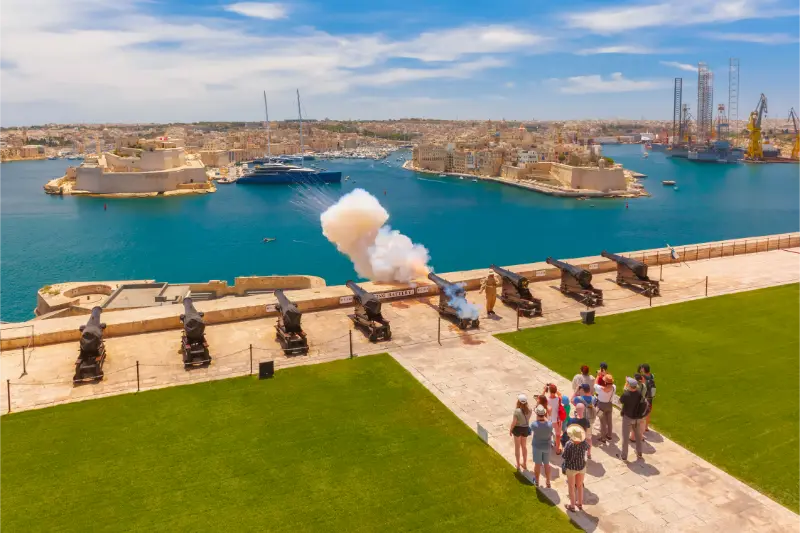
The Upper Barrakka Gardens are the most natural introduction to Valletta because they give you the geography first. From the terrace, the Grand Harbour opens below and the fortified Three Cities sit opposite. Visit early for softer light and fewer people, then descend into the city rather than immediately walking only along the main shopping streets.
St John’s Co-Cathedral: the essential interior
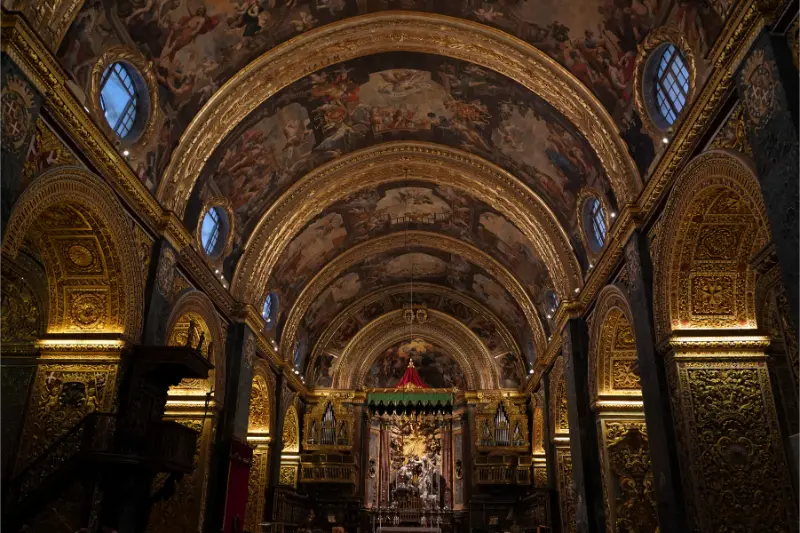
St John’s Co-Cathedral is one of Malta’s most important interiors. The richly decorated nave, marble tombstones and Caravaggio works make it fundamentally different from the restrained exterior. As of September 2026, visitor hours are normally Monday–Saturday 09:00–16:45 with last entry at 16:00; adult entry is €15, seniors and students €12, and accompanied children under 12 are free. The cathedral can close for public holidays or special services, so always verify current official opening information.
Walk Republic Street — then leave it
Republic Street gives you the official face of Valletta: government buildings, cafés, shops and a steady flow of visitors. Use it as a spine, not as your entire route. Turn into Old Bakery Street, Strait Street and the steep side streets that drop toward the harbours. That is where the city becomes more textured and photographic.
Grandmaster’s Palace and the story of the Knights
The Grandmaster’s Palace is central to understanding Valletta’s political and ceremonial history. Even if you are not a museum person, seeing the palace helps explain how the city functioned as the seat of the Order of St John. Check current access because state functions and restoration work can affect what is open.
Fort St Elmo and the National War Museum
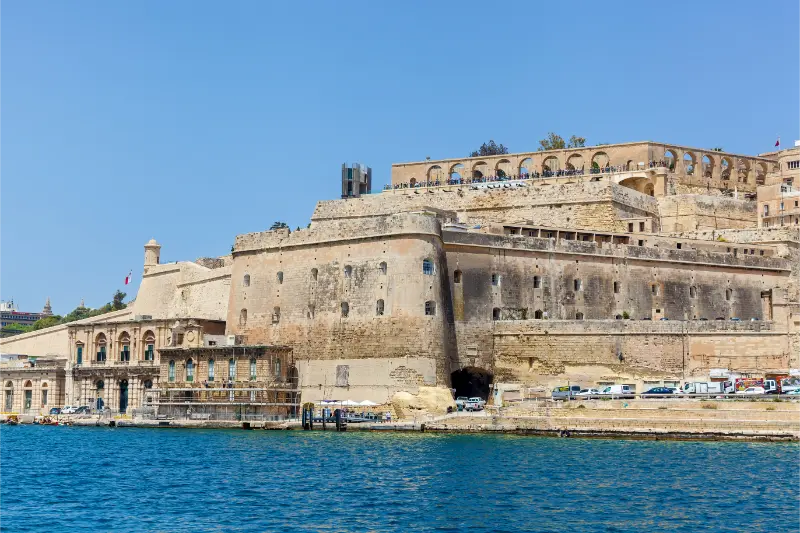
At the tip of the peninsula, Fort St Elmo occupies one of Valletta’s most strategic positions. The National War Museum traces Malta’s military history across several periods, while the fort itself gives a physical sense of how exposed and important the harbour entrance was. Allow more time than you think: the site is larger than it appears from the city centre.
Lower Barrakka Gardens and the quieter end of Valletta
The Lower Barrakka Gardens are smaller and usually calmer than the Upper Barrakka. They are worth the walk because the eastern end of Valletta feels less commercial, with views toward the harbour entrance and more space to appreciate the fortifications.
Take the ferry to the Three Cities
A visit to Valletta becomes much more complete when you cross the water. The ferry toward the Three Cities is quick, scenic and useful. Spend a few hours in Birgu, then return to Valletta for the evening. This combination gives you two different perspectives on the same Grand Harbour.
Or cross to Sliema for the classic skyline view
From Sliema, Valletta’s skyline reads as a whole: domes, bastions and honey-coloured buildings layered above the water. The ferry is one of the most efficient connections between the two urban centres and avoids part of the road traffic.
Where to eat and where to stop
Valletta has enough restaurants to suit almost every budget, but the best approach is to choose by street and atmosphere rather than only by rating. Strait Street and the lanes around it have many evening options; waterfront areas offer views but can be more tourist-focused. For a quick local snack, look for pastizzi or ftira at a bakery and save the longer meal for later.
If you want a special hotel base, The Phoenicia Malta sits just outside the City Gate in Floriana and is one of the island’s landmark hotels. Inside Valletta, boutique hotels occupy converted townhouses and palazzi. Compare current availability via Booking.com and read our where to stay in Malta guide before choosing between Valletta, Sliema and St Julian’s.
A practical one-day Valletta itinerary
- 08:30–09:00: arrive and start at Upper Barrakka Gardens.
- 09:00–10:30: visit St John’s Co-Cathedral.
- 10:30–12:00: walk Republic Street, side streets and palace area.
- 12:00–13:00: lunch or a quick local snack.
- 13:00–15:00: Fort St Elmo and National War Museum, or another museum of your choice.
- 15:00–16:00: Lower Barrakka and waterfront streets.
- Late afternoon: ferry to the Three Cities or Sliema.
- Evening: return to Valletta for dinner and a quieter walk after dark.
How to get to Valletta
Valletta is Malta’s main public-transport hub. Buses terminate near the City Gate, making the capital straightforward to reach from most tourist areas. From Sliema and the Three Cities, harbour ferries can be faster and more scenic. Driving into central Valletta is rarely the easiest option for a first-time visitor because parking and traffic add unnecessary friction.
Where to park if you have a car
If you are touring Malta by car, aim for parking outside the pedestrian heart rather than trying to get as close as possible to Republic Street. The Floriana side of the city is more practical. Arrive early on weekdays and expect demand to rise around events, cruise calls and public celebrations.
Best time of day for photography
Morning light works well around the Grand Harbour and Upper Barrakka; late afternoon warms the limestone façades. Blue hour after sunset is especially attractive from the waterfront or from Sliema looking back toward Valletta. Midday is useful for interiors but less flattering for exterior photography in summer because the light is hard and the streets can feel hotter.
Frequently asked questions
Is Valletta walkable?
Yes, very much so, but it is not flat. Expect slopes, steps and polished limestone. Good shoes are important, especially if you plan to descend toward the waterfront.
Should you stay in Valletta?
Stay here if you value history, restaurants, evening atmosphere and ferry connections more than beaches. For a beach-focused holiday, Mellieħa or another northern base may be more convenient.
Can you combine Valletta and Mdina in one day?
You can, but I would not on a first trip unless time is very limited. Each place deserves several hours, and the strongest experience comes from seeing both at quieter times of day.
What to see if you have a second day in Valletta
A second day changes Valletta completely because you no longer need to choose between the major monuments and the smaller museums. Consider the National Museum of Archaeology if Malta’s prehistoric temples are on your itinerary, then spend time around the waterfront, fortifications and streets you rushed past on day one. The value of a second day is not simply adding attractions; it lets you experience the capital at different times, including a quiet breakfast and an evening when cruise passengers and day tours have largely gone.
You can also use the second day to cross the harbour more deliberately. Spend half a day in Birgu and Senglea, then return by ferry. This creates a coherent Grand Harbour story rather than treating the Three Cities as a separate excursion. If weather is hot, alternate outdoor walking with churches and museums so that the day remains enjoyable rather than exhausting.
Valletta for different types of travellers
History lovers should prioritise St John’s Co-Cathedral, Fort St Elmo, the Grandmaster’s Palace and a harbour crossing. Couples may enjoy a slower late-afternoon walk, aperitivo and dinner rather than a museum-heavy plan. Families should shorten interior visits and use ferries and viewpoints to keep the day varied. Photographers will get more from early morning and blue hour than from trying to collect every landmark at noon.
For travellers with limited mobility, Valletta’s grid is compact but includes steep streets and steps. The main axis is easier than the side streets dropping toward the water. Plan a route that uses lifts where available, confirm accessibility at historic buildings, and avoid assuming that short map distances mean effortless walking.
Useful details before you go
- Carry water in summer; shaded seating exists, but much of the city is exposed while walking.
- Dress respectfully for churches and remember that worship schedules can override tourist access.
- Public toilets and cafés are easiest to find around the main central streets and major visitor sites.
- If a cruise ship is in port, start with the attraction that matters most to you before the central streets become busier.
- Keep small breaks in the plan. Valletta is visually dense, and a 20-minute coffee stop can make the rest of the day more enjoyable.
Final thoughts
Valletta is not a museum city frozen in time. Its appeal comes from the collision of ceremonial architecture, working streets, cafés, government buildings and harbour life. See the monuments, but give yourself enough time to turn down the wrong street. That is usually where Valletta becomes memorable.
[…] The gardens are simple to visit, but timing matters if you want the gun firing, fewer crowds or good light. This guide covers the viewpoint, Saluting Battery, lift, best photo positions and how to combine the area with the rest of Valletta. […]
[…] worth budgeting for, but a traveller who only enters monuments can miss the city between them. Our Valletta travel guide helps you structure a walking […]
[…] rather than repeating the capital. The ferry crossing also means you can combine them with Valletta without a complicated […]