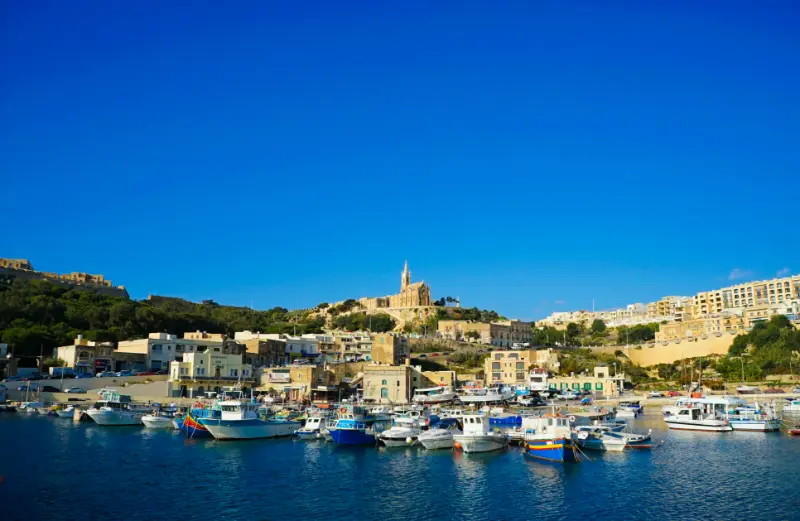
The best time to visit Malta depends on whether your trip is really about swimming, sightseeing, nightlife, hiking or simply escaping colder weather. Malta is often sold as a year-round destination, and that is broadly true, but the experience in February is fundamentally different from August. The islands are small and sunny, yet wind, sea temperature, heat and crowd levels can change what is comfortable to do each day.
For most first-time travellers who want a mixture of history and sea, I would choose May, June, September or early October. You get long days and generally warm weather without automatically facing the most intense heat and peak-season pressure. But there are good reasons to visit in every season. This month-by-month guide helps you match the trip to your priorities.
Compare before choosing your travel dates
Compare current options before you book. Availability and prices can change by date.
Affiliate links: My Malta Trip may earn a commission at no extra cost to you.
Best time to visit Malta by travel style
| For beaches and swimming | June to September |
| For sightseeing | April–June, September–November |
| For hiking | November–April |
| For families | Late May–June or September |
| For nightlife | June–September |
| For lower prices | Winter and selected shoulder-season dates |
| For festas and summer atmosphere | June–September |
Spring: March to May
Spring is one of Malta’s easiest sightseeing seasons. The countryside is greener than in late summer, temperatures are comfortable for walking and historic places such as Valletta, Mdina and Rabat and the Three Cities can be explored without planning the entire day around heat. Sea swimming becomes increasingly realistic as spring progresses, though March and early April can still feel cool and windy.
March
March is best for culture, walks and lower-intensity sightseeing. Pack layers and a light waterproof jacket. The advantage is that you can climb bastions, walk coastal trails and spend hours outside without summer fatigue. The disadvantage is that a classic beach holiday is not guaranteed, and boat trips are more dependent on conditions.
April
April usually brings longer, brighter days and a stronger holiday feel. Easter events can add atmosphere and also increase demand on particular dates. This is a very good month for travellers who dislike heat and want to combine towns, archaeology and countryside. Swimming is possible for hardy visitors, but I would not book April purely for warm-sea expectations.
May
May is one of my favourite months for Malta. The island is warm, evenings are pleasant and beach days become much more reliable, yet you can still spend a morning walking through Valletta without feeling that every shaded street is an escape route. Prices can rise around holidays and popular weekends, so book well if your dates are fixed.
Summer: June to August
Summer is for travellers who want the sea at the centre of the holiday. Days are long, beach facilities and boat services are in full seasonal mode, and nightlife is at its strongest. The trade-off is obvious: heat, stronger sun, bus demand and more competition for the most famous swimming spots.
June
June gives you much of the summer experience without automatically feeling like the peak. The sea is increasingly comfortable, evenings are long and the island has a lively atmosphere. Malta Public Transport typically adjusts frequencies for seasonal demand; in 2026 its summer network began in mid-June, a reminder that transport planning changes with the season.
July
July is reliably beach-oriented. Plan outdoor history early and move swimming, lunches or indoor attractions into the hottest period. Accommodation with strong air-conditioning matters more than many visitors expect. If you want the Blue Lagoon, book access arrangements and transport before arrival rather than treating it as a spontaneous midday excursion.
August
August is hot, busy and festive. It suits travellers who love warm nights, swimming and a high-energy holiday. It is less suitable for anyone who wants quiet streets and extensive midday walking. Families tied to school holidays can still have an excellent trip, but I would choose a base near the sea and build sightseeing around early mornings.
Autumn: September to November
September
September is another top choice for first-time visitors. The sea retains summer warmth, days are still bright and beach holidays work well. Early September can remain very busy and hot, while later in the month usually feels easier for sightseeing. Couples and travellers without school-date constraints should look seriously at this period.
October
October can give you excellent swimming and city weather in the same week, especially early in the month. Conditions become less predictable as the month progresses, but the balance is attractive. Bring a light layer for evenings and keep one flexible indoor plan in case of rain or strong wind.
November
November shifts the emphasis toward culture, food and walking. You may still get beautiful sunny days, but I would not promise a beach holiday. It is a good month for travellers who want quieter attractions, comfortable temperatures and an excuse to spend more time in restaurants and museums.
Winter: December to February
Malta’s winter is mild compared with much of Europe, but “mild” does not mean guaranteed T-shirt weather. Wind and rain can make a 16°C day feel much cooler on exposed waterfronts. The advantage is a calmer sightseeing rhythm and the possibility of seeing Valletta, Mdina and Gozo without the summer intensity.
December
December combines Christmas decorations, cultural events and relatively soft sightseeing conditions. Bring layers and choose accommodation with good heating rather than assuming every Maltese room is designed for winter comfort. Shorter daylight means a realistic itinerary should contain fewer outdoor stops.
January
January is among the quietest periods and can offer attractive hotel value. It is ideal for history-focused travellers who do not need beach weather. Some seasonal tourism businesses reduce hours, so check specific restaurants, boat trips and attractions before building a day around them.
February
February can be bright and pleasant for walking, with the same caveat about wind and showers. Carnival can add colour and demand depending on the calendar. Rural areas are greener than in summer, making Gozo particularly attractive for walkers.
When is the sea warm enough to swim?
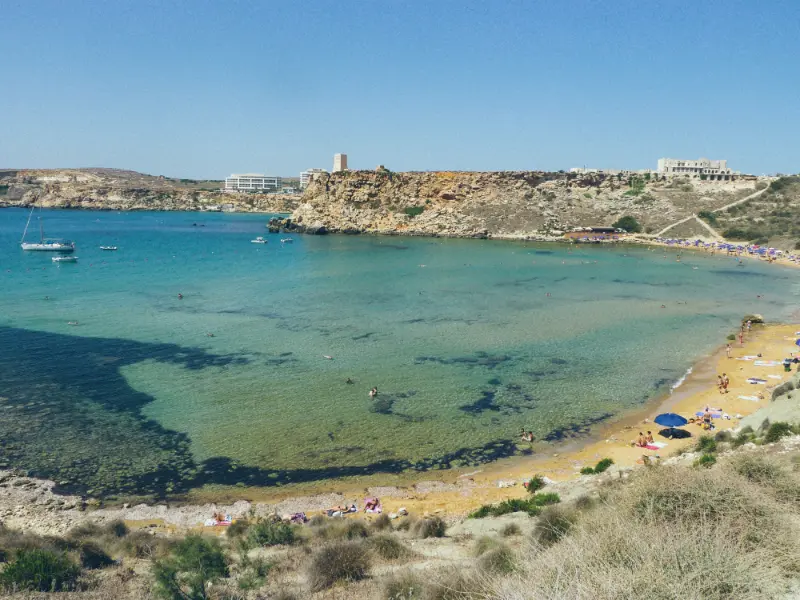
This is subjective. Many visitors begin swimming comfortably in late May or June and continue through October. September is especially attractive because the sea has had all summer to warm. Winter swimming exists, but it is an activity for people who specifically enjoy cool water rather than a general beach recommendation.
Crowds and prices
High demand follows school holidays, major summer dates and weekends around popular events. Valletta can also feel busy when cruise traffic is high even outside August. If you want a quieter trip, choose weekdays for major sights, reserve famous attractions early and stay one or two nights in Gozo rather than visiting only during the standard day-trip window.
What about Malta’s festas?
Village festas are a major part of Maltese summer culture, with decorations, band marches, fireworks and strong local participation. Dates vary by locality and year. If one falls during your trip, consider attending respectfully; if your hotel is near a festa route and you are sensitive to noise, understand that fireworks and celebrations can extend late.
Weather planning: use forecasts intelligently
Do not make a seven-day itinerary depend on a long-range forecast. Malta’s outdoor activities are sensitive to wind as well as rain, particularly ferries, boat trips and exposed swimming places. Keep Comino and boat days movable until the forecast becomes reliable, while museums and city walks can anchor less certain days.
The best months for different travellers
- First-time couples: May, June, September or early October
- Families with preschool children: late May, June or September
- School-age families: June if possible; July and August with heat-aware planning
- History and culture travellers: March–May or October–November
- Hikers: late autumn through spring
- Nightlife travellers: June–September
- Budget-conscious city-break travellers: winter outside holiday peaks
Final recommendation
If you ask for one answer, choose late May to June or September to early October. Those windows give most travellers the broadest combination of beach weather, long daylight and manageable sightseeing. If your trip has a stronger purpose—diving, hiking, nightlife or museums—use that purpose, not a generic “best month,” to choose your dates.
Frequently asked questions
What is the single best month to visit Malta?
For many first-time travellers, May and October offer the best balance: warm weather, strong sightseeing conditions and generally less pressure than peak summer. May has fresher landscapes and lengthening days; October usually has warmer sea temperatures. The best month changes if swimming, nightlife, hiking or the lowest possible room rate is your main priority.
When is Malta too hot for sightseeing?
July and August can make exposed midday sightseeing tiring, especially in Valletta’s stone streets, archaeological sites and hill towns. You can still have an excellent trip by moving major visits to mornings and late afternoons and reserving midday for lunch, a pool or the sea. Heat tolerance varies, so build slack into the itinerary rather than assuming every day can run from 9 a.m. to 6 p.m.
Can you swim in Malta in October?
Often yes. The Mediterranean retains summer warmth into autumn, and October can still provide excellent swimming days. Weather becomes less predictable than in July or August, however, so a one-week October holiday should include cultural alternatives in case wind or rain interrupts a beach plan. This flexibility is one reason Malta works so well in shoulder season.
Is Malta worth visiting in winter?
Yes for history, city breaks, food and walking, but not if your main goal is guaranteed beach weather. Winter brings shorter days and a greater chance of wind or rain, yet major historic destinations remain rewarding and accommodation can be better value. Pack layers and a light waterproof jacket, and plan around daylight rather than a summer timetable.