

Getting around Malta is easy to understand but not always fast. The islands have an extensive bus network, useful harbour ferries, taxis, ride-hailing services, car rental and ferry links to Gozo. The challenge is choosing the right mode for each day rather than relying on one option for the entire trip.
Malta’s compact map can be misleading. Traffic, road layout and transfers mean that short distances sometimes take longer than expected. Plan by area and use ferries whenever they replace a road journey around the harbours.
Choose the easiest way to get around
Compare current options before you book. Availability and prices can change by date.
Affiliate links: My Malta Trip may earn a commission at no extra cost to you.
Buses: the backbone of public transport
Malta Public Transport operates routes across both Malta and Gozo. For visitors, buses reach almost every major tourist area, including Valletta, Sliema, St Julian’s, Mellieħa, Mdina/Rabat, Marsaxlokk and Ċirkewwa. Valletta is the largest hub, while Victoria plays that role on Gozo.
The current official fare table lists €2 for a winter day-route single ticket and €2.50 in summer, with night routes and certain special services at higher fares. Tickets bought on board are valid for two hours and allow transfers within that period. Because products and prices can change, verify the official fares and ticket page before travel.
Which travel card should a visitor buy?
The right answer depends on how often you will use buses. Malta Public Transport currently offers a 12 Single Day Journeys card as well as multi-day Explore and Explore Flex options. A traveller staying in Valletta and using ferries and taxis occasionally may not need unlimited bus travel; someone based in Mellieħa without a car may benefit much more.
Calculate your likely journeys rather than automatically buying the longest pass at the airport. Also check whether airport-direct or fast-ferry add-ons are included in the exact product you choose.
The tallinja app
The official tallinja app is useful for planning routes and checking transport information. Real-world travel times still vary with traffic, so use the app as a guide rather than assuming every transfer will be exact to the minute. At busy stops, be ready before the bus arrives and signal clearly when appropriate.
Valletta–Sliema ferry
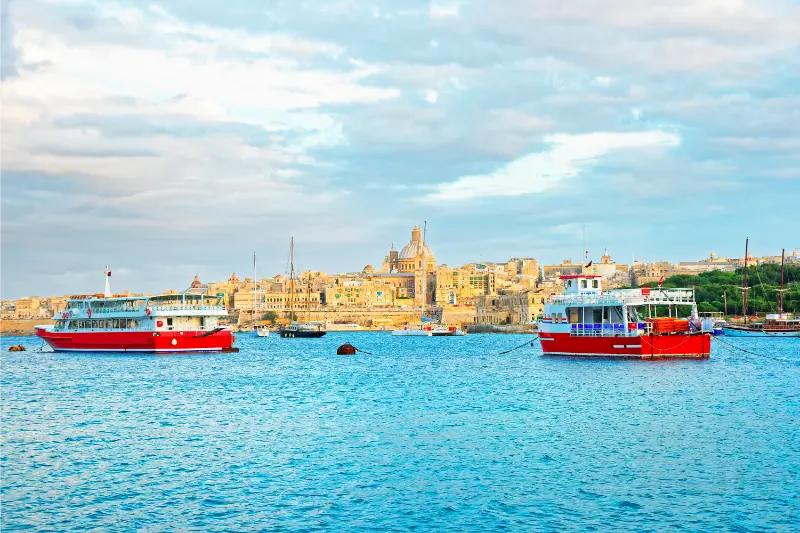
The harbour ferry between Valletta and Sliema is one of the smartest transport choices for visitors. It avoids road congestion around the harbour and turns a transfer into a scenic experience. If you stay in Sliema, this ferry is a strong reason not to rent a car purely for sightseeing in Valletta.
Valletta and the Three Cities
Ferry connections across the Grand Harbour make Birgu, Senglea and Cospicua much easier to combine with Valletta. They also provide excellent views of the fortifications. Check current operating times, especially in the evening or in poor weather.
Getting to Gozo
The main Gozo Channel ferry runs between Ċirkewwa and Mġarr. The operator currently lists the crossing at around 25 minutes and operates daily. A standard passenger fare is currently €4.65 under published Gozo Channel pricing. See the official schedule before departure.
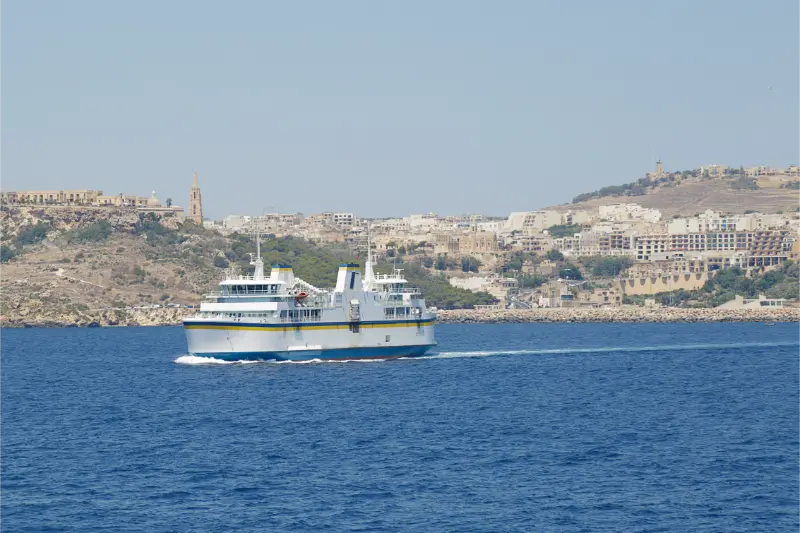
If you are based around Valletta, a high-speed passenger ferry to Gozo can reduce the overland journey to Ċirkewwa. If you are taking a rental car to Gozo, use the vehicle ferry.
Taxis and ride-hailing
Taxis and app-based rides are useful for airport transfers, late evenings and routes that are awkward by bus. They can also save a surprising amount of time when several travellers share the cost. During busy periods, surge pricing and waiting times can rise, so do not rely on an instant car for a time-critical ferry or flight connection.
Renting a car: when it makes sense
A rental car is most useful for western beaches, rural Gozo, the south coast and flexible sunrise/sunset outings. It is less useful if your holiday is based around Valletta, Sliema and St Julian’s. Malta drives on the left-hand side, and roads can feel narrow to drivers unused to that system.
Parking is another factor. Historic centres were not designed for modern traffic, and busy beach areas can fill quickly. If you rent a car, choose accommodation with realistic parking options and avoid using the vehicle for every urban trip simply because it is there.
Driving tips
- Drive on the left and take extra care at roundabouts if you are used to right-hand traffic.
- Allow more braking distance on polished or wet roads.
- Expect narrow village streets and parked cars to reduce usable road width.
- Do not leave valuables visible in the car.
- At beaches and viewpoints, park only where permitted; informal roadside habits are not always a sign that parking is legal.
Airport transport
Malta International Airport is close to the main urban areas by European-island standards, but transfer time depends on traffic and your destination. Buses connect the airport with several hubs, while taxis and pre-booked transfers are easier with heavy luggage or late arrivals. If your hotel is in Valletta or Sliema, a car is usually unnecessary on arrival day.
Getting around with children
Families should value simplicity over theoretical savings. A bus may be cheap, but two changes with a stroller in the midday heat can be exhausting. Mix buses with taxis or ferries when it shortens the day. If you rent a car, reserve the correct child seat in advance and verify it at collection.
Accessibility considerations
Modern buses include accessibility features, but the islands themselves contain steep streets, historic paving and steps. Valletta, Mdina and coastal paths vary substantially by route. If mobility is a concern, check individual attractions and build extra time into transfers.
What I would use for a typical 5-day trip
| Valletta day | Walk + harbour ferry |
| Mdina/Rabat day | Bus or taxi |
| Beach day | Bus if direct; car/taxi for flexible coves |
| Gozo day | Ferry + bus/car on Gozo |
| Evening in St Julian’s | Bus/ferry earlier, taxi late if needed |
Frequently asked questions
Can you travel around Malta without a car?
Yes. Many visitors do. Valletta, Sliema, St Julian’s, Mdina and major beaches are accessible by public transport, and ferries improve harbour connections.
Are buses reliable?
The network is extensive, but traffic can affect timing. Build margin into important journeys and avoid planning tight connections.
Is driving difficult?
It depends on your experience. Drivers comfortable with left-hand traffic and narrow urban roads usually adapt quickly; others may find a mixed transport strategy more relaxing.
How long journeys really take
A common planning error is to see that two places are only 10 or 15 kilometres apart and assume the transfer will be quick. Roads pass through dense urban areas, buses make many stops and traffic can build around commuting times or popular beach routes. Give yourself margin for airport journeys, ferries and timed attraction tickets.
For sightseeing days, group neighbouring places. Valletta and the Three Cities belong together; Mdina and Rabat belong together; Mellieħa, Ċirkewwa and north-coast beaches belong together. This simple habit saves more time than obsessing over the fastest individual bus.
When a taxi is genuinely worth it
A taxi is most valuable when it removes a transfer, protects a timed booking or makes a difficult late-evening return simple. It is less valuable for a short urban trip where a ferry or direct bus is just as fast. Families and groups should compare the per-person difference rather than looking only at the total fare.
Parking strategy for visitors
If you rent a car, park once and walk. In Valletta use the Floriana side; in Mdina park outside the walls; in Victoria on Gozo use central parking and explore on foot. At beaches, arrive early in summer. Never build a tightly timed itinerary around finding a space immediately, because parking demand is unpredictable.
Cycling and walking
Walking is excellent within Valletta, Sliema, Mdina, Rabat and individual villages, but not always between towns because roads can be busy and pavements inconsistent. Cycling is possible, yet traffic, heat and road width make it more suitable for experienced riders than casual holiday cycling in many areas. Purpose-built or quieter routes are preferable.
Late-night transport
Night buses and on-demand options exist, but frequency and routes differ from daytime services. If you are planning a late dinner or nightlife in St Julian’s, decide your return plan before going out. A pre-booked or app-based ride can be the simplest solution when public transport becomes less frequent.
A simple rule for choosing transport each morning
Ask three questions: is the route direct, is parking difficult, and is the journey time-sensitive? If the bus is direct, use it. If parking is difficult but a harbour ferry exists, take the ferry. If you have a timed booking or awkward transfers, consider a taxi. Save the rental car for days when flexibility genuinely matters. This mixed approach usually gives first-time visitors the best balance of cost, comfort and time.
Final thoughts
The smartest way to move around Malta is not to choose between car and public transport as if one must win. Use buses for direct routes, ferries around the harbours, taxis for time-sensitive gaps and a rental car only when it genuinely opens parts of the islands you want to explore.
[…] access, insurance questions and a sensible approach for first-time visitors. It complements our getting around Malta guide and Malta without a car […]
[…] products and Airport Direct services, while harbour ferries can save time around Valletta. Read our transport guide and airport transfer guide before deciding what to […]
[…] direct coastal buses toward Ċirkewwa are useful, but allow more time than the map suggests. Our getting around Malta guide compares the […]