

Summer is when Malta looks most like the images people save before booking: hard blue sky, bright limestone, clear water and evenings that stay active late. It is also when the islands demand the most planning. June, July and August bring stronger heat, crowded swimming spots, busy transport and a daily rhythm that punishes anyone who tries to walk all afternoon as if it were April.
A good Malta summer trip is not about avoiding popular places. It is about timing them intelligently. Start early, protect the middle of the day, book genuinely limited experiences in advance and treat the sea as part of the schedule rather than an optional reward after sightseeing.
June: the easiest summer month for many travellers
June often offers the summer atmosphere before the most intense combination of heat and peak family-holiday demand. Beach days are central, boat trips are popular and evenings feel made for waterfront dinners. Early June can be particularly attractive for travellers who can avoid school-holiday dates.
That does not mean June is cool. Sun exposure builds quickly, especially on open bastions, temple sites and beaches with little shade. Schedule St John’s Co-Cathedral, Mdina lanes and archaeological sites earlier in the day, then move toward water or indoor attractions later.
Sea conditions are generally more aligned with swimming plans than in spring, but wind still matters. Keep boat operators’ messages and forecasts in view.
July: embrace a different daily rhythm
By July, the biggest itinerary mistake is treating noon as normal sightseeing time. An efficient summer day starts early, uses the hottest hours for lunch, a museum, rest or a pool, then restarts later.
Valletta can work very well if you visit the major outdoor viewpoints first and move inside before midday. Mdina’s stone streets are atmospheric, but shade varies. Prehistoric sites are exposed and deserve an early slot.
At beaches, arrive before the most popular periods where practical. Carry more water than you think you need and use proper sun protection. A beach umbrella or reliable shade becomes a planning item, not a luxury.
August: maximum energy, maximum demand
August suits travellers who want full summer energy and accept that popular places will be busy. Accommodation, beach access and transport can require more patience. Major resort areas remain lively late, while quieter villages and parts of Gozo offer a different pace.
If you dislike crowds, do not try to “beat” August simply by waking up thirty minutes earlier. Choose different places as well as different times. Use Gozo, smaller coves, early city walks and late dinners to create breathing room.
Public holidays and local celebrations can influence traffic, events and opening arrangements. Check your exact dates.
Compare Malta boat trips and tours with clear cancellation terms before peak dates sell out.
Browse Malta summer activities on GetYourGuideStart between 07:00 and 08:30 for outdoor sightseeing. By late morning, transition toward an interior attraction, lunch or the coast. Rest during the strongest heat if your accommodation allows. Return outside from late afternoon through sunset.
This structure sounds slower than a packed itinerary, but it often lets you see more because you avoid heat exhaustion and long midday queues. It is especially important with children and older travellers.
Best summer beaches
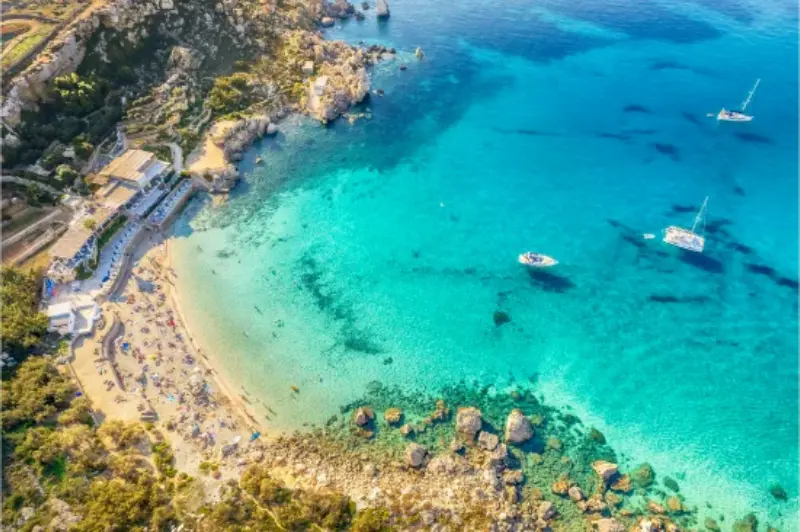
Mellieħa Bay is practical for families and travellers who prefer sand and relatively easy facilities. Golden Bay is popular and accessible, while Għajn Tuffieħa has a more dramatic setting but involves steps. Paradise Bay works well in the north. Gozo adds Ramla Bay, Hondoq ir-Rummien and smaller coastal areas.
Rocky swimming spots can be beautiful, but entry conditions matter. St Peter’s Pool and similar locations are not interchangeable with a managed sandy beach. Assess your swimming ability, footwear and sea state.
Blue Lagoon in summer
Blue Lagoon is at its most visually famous and often at its busiest. The smartest summer strategy is to choose departure time, operator and trip format carefully. Earlier or later exposure to the lagoon can feel very different from peak midday.
Follow current visitor-management rules and operator instructions. Do not assume a social-media video from a previous year reflects the exact access system now.
Check boat size, departure point, duration and cancellation terms rather than choosing on price alone.
Browse Blue Lagoon trips on GetYourGuideBoth are still essential, but schedule them around heat. Valletta’s museums and churches make it easier to combine indoor and outdoor time. Mdina and Rabat reward an early start, followed by a long lunch or indoor visit.
Late evening is another excellent window. Valletta after sunset, the Sliema waterfront and Mdina’s quieter streets can provide some of the trip’s best atmosphere without the midday intensity.
Summer on Gozo
Gozo deserves at least a full day, and an overnight stay is even better. Combine Victoria and the Cittadella with a beach or coastal village rather than trying to visit ten viewpoints.
A car can increase flexibility, but parking near popular beaches fills. Buses are possible, while tours reduce navigation. The island is not immune to summer crowds, yet its rural transitions can make the day feel less urban than Malta.
A night or two on Gozo lets you enjoy beaches and waterfront towns outside the busiest day-trip hours.
Compare Gozo hotels on Booking.comChoose based on the trip you actually want. Mellieħa favours beach access; St Julian’s favours nightlife; Sliema is practical for ferries and restaurants; Valletta remains excellent for culture but is not a beach resort. St Paul’s Bay, Bugibba and Qawra offer resort infrastructure and access to the north.
Air conditioning should be treated as a practical requirement for many summer travellers. Read recent accommodation details rather than assuming every room has the same cooling standard.
Summer without a car
A car-free summer trip is completely feasible, but bus waiting can feel longer in heat. Stay near useful routes and harbour connections, carry water and use taxis strategically when they prevent an uncomfortable cross-island transfer.
Ferries can be especially pleasant because they combine transport with air and views, though schedules and weather still matter.
Summer with a rental car
A car helps with beaches and rural areas but creates parking challenges. Avoid driving into places where public transport or ferry is simpler, particularly Valletta. If you rent, consider a hotel that clearly documents parking arrangements.
Never leave bags or valuables visible in the vehicle, and do not park where markings or signs prohibit it. Heat inside a parked car rises quickly.
What to pack for summer
Pack breathable clothing, strong sun protection, a hat, swimwear, water shoes for rocky coast, refillable water bottle and a light layer for heavily air-conditioned interiors. Comfortable sandals are useful, but bring proper shoes if you plan cliff walks or rough coastal paths.
A small dry bag can be useful on boat days, while a portable power bank helps when navigation and transport apps run all day.
Summer food and evening strategy
Use the hottest part of the day for a longer lunch when that suits your budget. In the evening, book popular restaurants in advance, especially waterfront tables in St Julian’s, Valletta or Gozo resort villages.
Try Maltese dishes even if summer pushes you toward lighter meals. Ftira, seafood and cold drinks fit naturally into the season, while heavier traditional dishes may appeal more after sunset.
Heat safety
Do not underestimate heat because the sea is always visible. Dehydration, sunburn and overexertion can ruin the trip quickly. Children, older travellers and anyone with health conditions may need a more conservative schedule.
If you feel unwell, stop. An itinerary is not a commitment. Move indoors, hydrate and cancel the next attraction if necessary.
Frequently asked questions
Is Malta too hot in July and August?
It can be very hot, especially during heatwaves. A summer trip works best with early starts, midday breaks and evening activity.
Which summer month is best?
June often offers a slightly easier balance, July is full summer, and August brings the strongest peak-season demand. Your tolerance for heat and crowds matters more than a universal ranking.
Do I need a car?
No. Major tourist areas are accessible by bus, ferry and taxi. A car is useful for selected rural or beach days.
Is Blue Lagoon worth it in August?
It can be, but expect high demand and plan timing carefully. Consider the entire Comino boat experience rather than judging the day only by one crowded section.
Final summer strategy
Summer in Malta is excellent when you stop trying to make it behave like spring. Wake earlier, slow down at midday and enjoy the coast and evenings. Book limited experiences, but leave enough flexibility to react to heat and sea conditions.
The reward is the version of Malta most associated with the Mediterranean: long light, warm water and outdoor nights. The price is that timing matters. Plan around the season rather than against it, and summer becomes much easier to enjoy.