

The Three Cities are one of the best places in Malta to slow down after Valletta. Across the Grand Harbour, Birgu (Vittoriosa), Senglea (Isla) and Cospicua (Bormla) form a connected historic area of fortifications, marinas, churches and residential lanes. The names can be confusing at first, but the geography is simple once you arrive: think of three neighbouring harbour towns that are best explored on foot rather than as separate checklist attractions.
Birgu contains the greatest concentration of sights, Senglea gives you some of the finest harbour viewpoints, and Cospicua connects the area with broad waterfront spaces and local streets. This guide shows how to visit all three, when to use the ferry from Valletta, which museum is currently closed and where to stop for food.
Explore the Three Cities
Compare current options before you book. Availability and prices can change by date.
Affiliate links: My Malta Trip may earn a commission at no extra cost to you.
Why visit the Three Cities?
Valletta gets more first-time attention, yet the Three Cities tell an equally important part of Malta’s story. The Order of St John established itself in Birgu before Valletta existed, Fort St Angelo played a central role in the Great Siege of 1565, and the harbour remained strategically important through the British period and the Second World War. The history is visible, but daily life has not been pushed out of every street.
How to get there from Valletta
The ferry is the most enjoyable option. Valletta Ferry Services links the capital with the Three Cities and operates different seasonal schedules. The boat leaves you close to the waterfront, immediately placing the fortifications and marina in context. Check the current official timetable because weather, harbour events and season can affect service.
You can also take buses from Valletta, which are useful if ferry conditions are poor. If you are driving, park once and walk rather than moving the car among Birgu, Senglea and Cospicua. The distances are short, and narrow streets make walking part of the experience.
Birgu: start with the old city
Birgu is the natural starting point. Enter the older streets behind the waterfront and let yourself lose the direct line for a while. The lanes around Collachio are quiet, shaded in places and lined with limestone façades, religious details and traditional balconies. This is the part of the Three Cities where an unplanned twenty-minute detour often becomes the best memory.
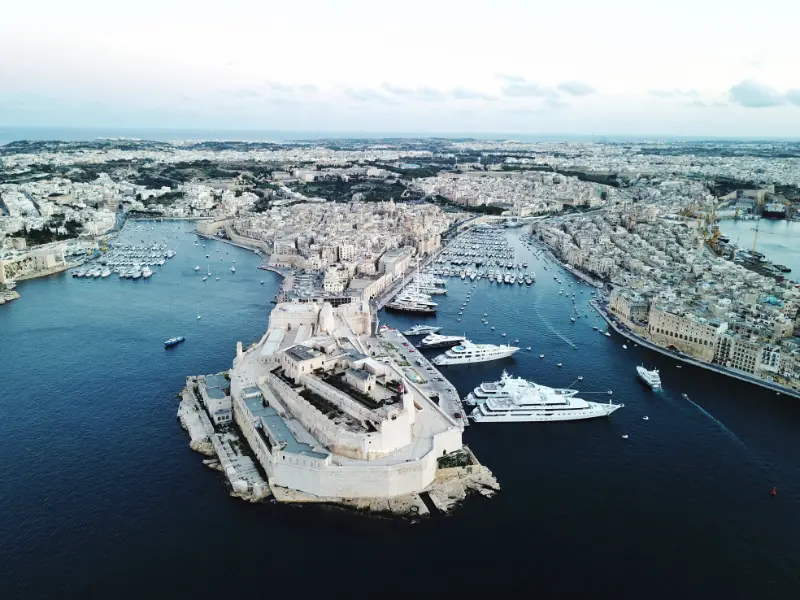
Fort St Angelo
Fort St Angelo is the major paid sight I would prioritise. It stands at the tip of the Birgu peninsula and dominates the Grand Harbour. Heritage Malta recommends roughly two hours for a general visit and notes that some areas have limited accessibility because of steps. The fort’s exhibits help explain its medieval origins, its role under the Knights and its later Royal Navy history. Check Heritage Malta’s Fort St Angelo page for current opening hours and tickets.
The Inquisitor’s Palace
The Inquisitor’s Palace in Birgu is an unusual historic-house museum because the building itself carries much of the story: formal rooms, tribunal spaces, prison areas and domestic quarters sit within one complex. Heritage Malta presents it as both a historic house and the national ethnography museum. If you enjoy social history more than military history, this can be a better choice than adding another fort.
Important: Malta Maritime Museum status
Older Three Cities itineraries often recommend the Malta Maritime Museum as a standard stop. Heritage Malta currently lists the museum as temporarily closed while it undergoes a major transformation. Do not build your day around visiting it until the official site confirms reopening. The waterfront building is still part of the landscape, but use Fort St Angelo or the Inquisitor’s Palace as your main indoor attraction for now.
Senglea and the Gardjola viewpoint
Cross toward Senglea for a different harbour angle. The tip of the peninsula and the Gardjola Gardens area look back toward Valletta and across the Grand Harbour. This is one of the strongest photography stops in the district, particularly in late afternoon. The walk through Senglea is more residential than the main Birgu sightseeing route, which is part of its appeal.
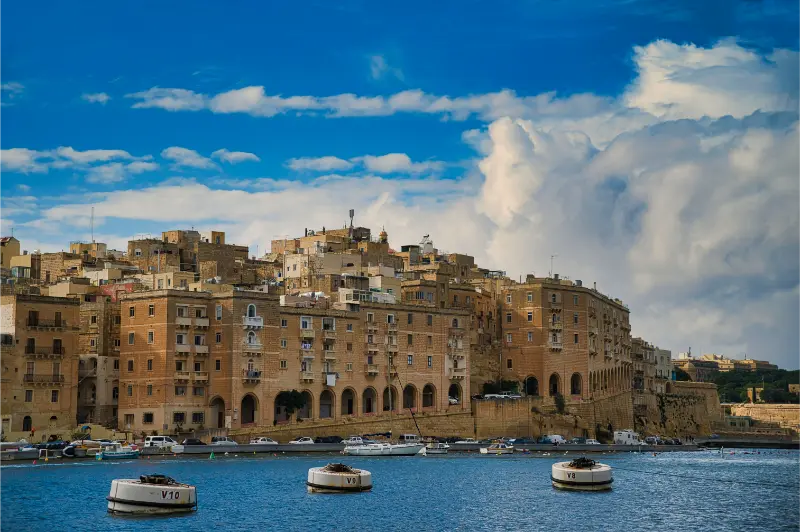
Cospicua: do not treat it only as a connector
Cospicua has broad dockside spaces and streets that reveal the scale of the harbour towns beyond their postcard corners. You will likely pass through it while moving between Birgu and Senglea, but spend a little time away from the water. The architecture and everyday rhythm help prevent the Three Cities from feeling like an open-air museum.

Where to eat
BeBirgu, at 11 Misraħ ir-Rebħa in Birgu, is a popular restaurant set close to the historic centre and makes a convenient lunch or dinner stop. For a more design-led overnight experience, Cugó Gran Macina occupies a striking historic building in Senglea and works well for travellers who want to stay inside the harbour environment rather than returning to Sliema or Valletta.
The Birgu waterfront also has restaurants overlooking yachts, but I would not choose solely by the front-row tables. Walk into the old streets and compare menus. If your priority is Maltese cooking, use our food guide to know what dishes to look for.
How long do you need?
A rushed visit takes two hours; a satisfying visit takes four to six. If you enter Fort St Angelo, have lunch and walk all three towns, give the area most of a day. The distances are modest, but repeated photo stops, steep streets and waterfront detours add time in a good way.
A half-day walking route
- Take the ferry from Valletta to the Three Cities.
- Walk into Birgu’s old lanes before heading to the waterfront sights.
- Visit Fort St Angelo or the Inquisitor’s Palace.
- Stop for lunch in Birgu.
- Walk through Cospicua toward Senglea.
- Continue to the Gardjola viewpoint at the tip of Senglea.
- Return toward the ferry in late afternoon or take a traditional harbour boat if operating.
Three Cities with children
Fortifications, boats and ferries make the area more engaging for children than a full day of churches. The challenge is uneven paving, steps and summer heat. Choose one paid attraction, break the walking with a waterfront stop and use the ferry as part of the fun. Families with strollers should check accessibility before entering older sites.
Where to park
If you arrive by car, look for legal parking around the wider waterfront areas rather than attempting to drive deep into historic streets. Event days and local festas can change access. The Three Cities are compact enough that once parked, moving the vehicle is rarely worth the effort.
Three Cities or Valletta if you have limited time?
On a first two-day trip, Valletta has the stronger concentration of major sights. With three days or more, the Three Cities become an easy recommendation because they add perspective rather than repeating the capital. The ferry crossing also means you can combine them with Valletta without a complicated transfer.
Frequently asked questions
Which of the Three Cities is best to visit?
If you have limited time, prioritise Birgu because it has Fort St Angelo, the Inquisitor’s Palace, attractive lanes and the marina. Senglea is worth adding for its harbour viewpoints, while Cospicua completes the route and provides a more local transition between the two. The advantage of the Three Cities is that you do not really need to choose: walking makes it easy to experience all three.
How long do you need for the Three Cities?
Allow at least half a day, and a full day if you want to enter Fort St Angelo, visit another museum and stop for lunch without rushing. Travellers who only have two hours can ferry across, walk Birgu’s waterfront and old streets, then return. The area rewards slow exploration more than a sequence of short photo stops.
Are the Three Cities free to visit?
Walking the streets, waterfronts, fortification viewpoints and many public spaces costs nothing. Paid admission applies to major attractions such as Fort St Angelo and the Inquisitor’s Palace. This makes the area a strong choice for budget travellers: you can have a substantial historical day with only ferry or bus costs and decide on one paid attraction after you arrive.
Is the Malta Maritime Museum open?
At the time this guide was prepared, Heritage Malta listed the Malta Maritime Museum in Birgu as temporarily closed for a major transformation. That is exactly the kind of status that can change, so check the official Heritage Malta page before building your day around it. Fort St Angelo and the Inquisitor’s Palace are better anchors for a current itinerary.
Final thoughts
The Three Cities reward curiosity more than speed. See Fort St Angelo, but also notice balconies, door knockers, boatyards and the way the Grand Harbour appears unexpectedly at the end of narrow streets. By staying a little longer than the standard tour stop, you get one of Malta’s strongest combinations of history and lived-in atmosphere.