

A food tour is one of the few paid experiences in Malta that can improve the rest of your trip rather than simply fill three hours. A good guide explains what you are tasting, shows you how bakery foods fit into daily life and gives you the confidence to order independently later. A weak tour is just a sequence of snacks with a high price attached. The difference comes down to route, group size, tasting variety and the guide’s ability to connect food with Maltese history.
Valletta currently has the broadest choice of organised food walks. GetYourGuide lists several local-food and street-food tours in the capital, typically built around walking, multiple tastings and historical context. Products and prices change, so this guide focuses on how to choose rather than declaring one operator permanently “best”.
Why Valletta is the easiest place for a first Malta food tour
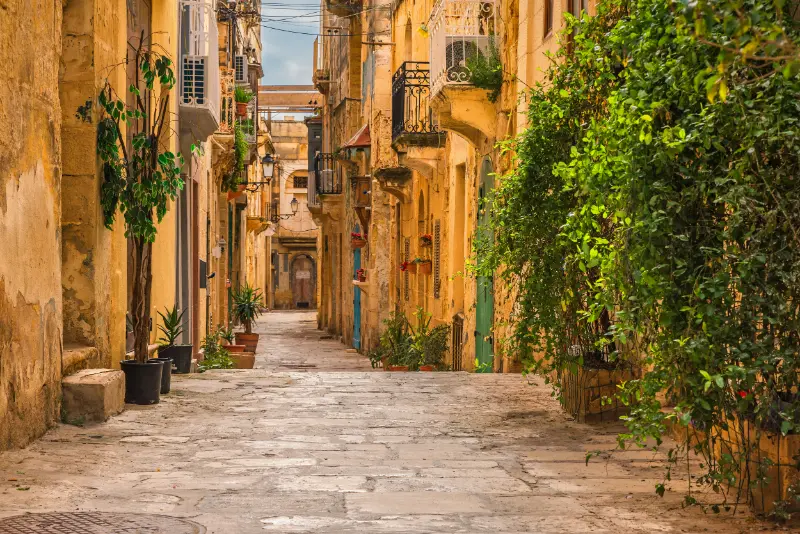
Valletta is compact, walkable and dense with history. A guide can move between bakeries, snack stops, cafés and historic streets without spending tour time on buses. The architecture and harbour story also give context to influences that shaped Maltese food.
The practical advantage is location. If you are already staying in Valletta, Sliema or the Three Cities, a food walk can fit into half a day without complicated transfers. From Sliema, the ferry is often the most pleasant way to reach Valletta when operating normally.
What a Malta food tour may include
There is no standard menu, but common tastings can include pastizzi, ftira or bread-based snacks, Maltese cheese, olives, bigilla, local drinks, sweets and more substantial savoury bites. Some tours incorporate wine, beer or soft drinks. Others focus more heavily on street food.
Read the current inclusions carefully. “Food tour” can mean five small tastings or enough food to replace lunch. If the listing says a meal is included, arrive hungry. Eating a large breakfast immediately beforehand is one of the easiest ways to waste the experience.
Street-food tour versus broader food-and-culture tour
A street-food tour is ideal if your priority is pastizzi, bakery culture and quick local bites. A food-and-culture tour may spend more time on historical explanation, sit-down tastings or drinks. Neither format is automatically better.
Choose based on your itinerary. If you already have two museum-heavy days planned, a casual street-food walk adds contrast. If this is your first morning in Malta and you want orientation as well as food, a broader history-and-tasting tour may be more useful.
How long should you allow?
Many current Valletta food walks are around three hours, while some private or broader tours run longer. Do not schedule a timed cathedral ticket ten minutes after the advertised finish. Food tours can overrun slightly, and Valletta’s hills make rushing unpleasant.
A comfortable plan is food tour in the morning or around lunch, then one flexible attraction or harbour walk afterwards. If your tour includes alcohol, avoid immediately following it with a rental-car pickup.
Group size matters more than most travellers expect
A small group can fit into bakeries and narrow streets more easily, hear the guide without clustering around, and ask questions. Larger groups may offer better value but can feel slower at every tasting stop.
Private tours cost more but make sense for families, travellers with mobility needs, serious allergies or groups who want to focus on a particular interest. Before paying for private, check whether the itinerary itself is customisable or only the group composition.
Food tours with children
Older children who enjoy trying new food can do very well on a walking tour. Toddlers are more complicated: three hours of standing, listening and waiting for tastings can be harder than the food itself. Ask about stroller access, toilet opportunities and whether the guide can accommodate a child who does not eat every tasting.
For younger families, a private tour or self-guided bakery route may be better value. Our Malta with toddlers guide focuses on pacing rather than squeezing adult activities into a child’s day.
Vegetarian, vegan and allergy considerations
Maltese food has many vegetarian possibilities, including cheese pastries, pea fillings, bread, olives and vegetable dishes. Vegan requirements are more restrictive because pastry fats, cheese, eggs and shared preparation surfaces can appear unexpectedly.
Do not rely only on the booking-platform dietary checkbox for a serious allergy. Message the operator, name the allergen and ask whether cross-contamination can be controlled. If the answer is vague, choose another tour or eat independently.
Are Malta food tours good value?
Compare the price with what you are actually buying: guide time, several tastings, historical interpretation and the convenience of having the route designed for you. You could usually buy the raw snacks for less on your own. The value is in curation and context.
A tour is most valuable early in the trip because the knowledge can improve later meals. On your final afternoon, you have less time to use the bakery and restaurant recommendations you discover.
When independent food exploration is better
Skip the tour if you dislike groups, have already spent time researching Maltese food or simply want to wander. Valletta, Rabat and Gozo are easy places to build your own tasting day using our guides to pastizzi, ftira and street food.
Independent eating also suits travellers who want one bite at a time rather than five tastings in a fixed window. You can stop when full and spend longer in places you like.
What to check before booking
- Exact meeting point and finishing point.
- Number and size of tastings, and whether they replace a meal.
- Alcohol inclusions and non-alcoholic alternatives.
- Walking distance, hills and accessibility.
- Maximum group size.
- Dietary-allergy policy.
- Cancellation terms.
- Whether the tour runs in the language you want.
How to plan the rest of your Valletta day
If the tour starts in the morning, visit the Upper Barrakka Gardens before or after, then choose one major paid attraction such as St John’s Co-Cathedral or Fort St Elmo. Trying to fit three major museums around a three-hour tasting tour defeats the point of both.
If the tour finishes near late afternoon, stay in Valletta for sunset or take the ferry toward Sliema. There is no need to book another large dinner immediately after a meal-level tasting.
A food tour as part of a wider Malta food trip
Use Valletta for guided context, Rabat for casual pastries, Gozo for bakeries and ftira, and one traditional dinner for rabbit or seasonal fish. That gives your trip several distinct food environments instead of repeating the same tourist menu.
Food becomes more memorable when it is attached to place. The pastizz you eat between Mdina and Rabat, the ftira collected from a Gozo bakery and the wine tasted in Valletta each tell a different part of the islands’ story.
Frequently asked questions
What is the best Malta food tour?
There is no permanent winner because operators, guides and availability change. Choose a current well-reviewed tour whose group size, tastings, duration and dietary policy fit your needs.
Should I book a food tour in Valletta or Gozo?
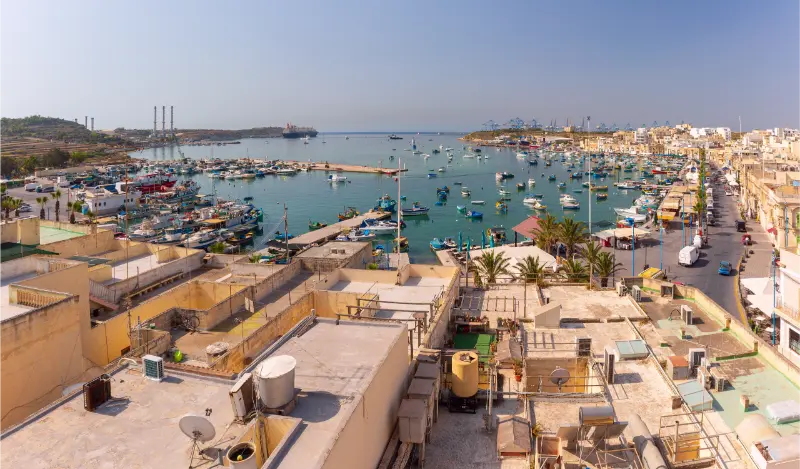
Valletta offers the largest organised selection and works well for first-time orientation. Gozo is especially rewarding for independent bakery exploration and local products, though guided options also exist.
Do I need lunch after a food tour?
Often not. Check the listing. Several current tours include enough tastings to function as a meal, while lighter tours may leave room for lunch.
How reviews should influence your choice
Read recent reviews for patterns rather than one dramatic complaint or one perfect score. Look for repeated comments about guide knowledge, quantity of food, pacing, group size and organisation. If several recent guests say the tour felt rushed or included too little food, that matters more than the headline rating. Equally, a guide repeatedly praised for storytelling can justify a slightly higher price.
Review dates matter because operators change routes and guides. A tour that was excellent two years ago may now use different stops, while a newer product may have improved quickly. Current verified-booking reviews are the most useful evidence available before booking.
Food tour or self-guided tasting: which gives better value?
A self-guided tasting is cheaper and more flexible, especially if your priority is simply trying pastizzi, ftira and a few sweets. A guided food tour earns its price when the guide adds context: why particular foods developed, how Malta’s history shaped the pantry, what distinguishes everyday bakery food from restaurant versions, and how the city itself connects to the dishes. If the product description is mostly a list of tastings with little interpretation, you may be paying for coordination rather than insight.
First-time visitors with limited time often benefit most from a tour early in the trip because it teaches them what to order later. Repeat visitors, confident independent travellers and families with unpredictable schedules may prefer to use our food guides to build their own route. Neither approach is inherently better; the right choice depends on whether you value storytelling and logistics more than flexibility and price.
Questions to ask before booking a Malta food tour
Confirm the approximate walking distance, number of tasting stops, whether a full meal should be expected afterwards, and how dietary requests are handled. Ask whether alcohol is part of the experience if that matters to you, and whether non-alcoholic alternatives are included. Families should check the minimum age, stroller practicality and whether children receive the same portions.
Also check the cancellation terms and meeting point. Valletta has slopes, steps and pedestrianised streets, and a meeting point that looks close on a map may require an uphill walk. In summer, a morning or late-afternoon departure can be easier than the hottest part of the day. In winter, carry a light waterproof layer because the tasting stops may be indoors but the walking sections are not.