

Maltese food makes the most sense when you stop looking for one national “signature dish” and start noticing the layers of the islands’ history. Italian and Sicilian influence is obvious in pasta and pastry, British history appears in everyday habits, North African and Mediterranean connections show up in spices and ingredients, while local farming and fishing traditions shape rabbit, sheep’s cheese, bread, tomatoes, olives and seafood.
This guide focuses on what a traveller can realistically taste during a short trip: pastizzi at breakfast, ftira for lunch, rabbit or fish for dinner and sweets or local drinks between sightseeing stops. It also explains which dishes are genuinely worth seeking out and where to fit food into a Malta itinerary without turning every meal into a reservation.
Taste more of Malta
Compare current options before you book. Availability and prices can change by date.
Affiliate links: My Malta Trip may earn a commission at no extra cost to you.
What does Maltese food taste like?
Expect robust, comforting flavours rather than delicate minimalism: tomato, garlic, capers, olives, herbs, slow-cooked meat, pastry and bread appear frequently. Seafood is important because of geography, but not every “traditional Maltese” menu needs to be fish-focused. Gozo has its own strong products, especially cheese and ftira styles, while village bakeries can be as memorable as formal restaurants.
Pastizzi: the snack you will see everywhere
Pastizzi are flaky pastries traditionally filled with ricotta or mushy peas. They are inexpensive, portable and best eaten warm. The quality varies enormously, so buy from a busy bakery or dedicated pastizzeria where turnover is high. One is a snack; two can become breakfast. They are also useful on a day when sightseeing has pushed lunch later than planned.
Ftira: more than a sandwich
Maltese ftira refers to a ring-shaped bread traditionally used for sandwiches with ingredients such as tuna, tomato, olives, capers and onion. In Gozo, “Gozitan ftira” can refer to a pizza-like baked preparation topped with potatoes, cheese or other ingredients. Do not assume every menu means the same thing when it says ftira; ask if you are unsure.
Rabbit: Malta’s famous meat dish
Rabbit, or fenek, is often presented as Malta’s national dish. It can appear fried with garlic, stewed in wine and herbs or served through a longer meal that includes pasta with rabbit sauce. If you want to try it, choose a restaurant known for Maltese cooking rather than ordering it simply because a tourist menu has placed a flag beside the name.
Bragioli
Bragioli are beef olives: thin slices of beef rolled around a savoury filling and slowly cooked in sauce. Despite the English name “beef olives,” olives are not the defining ingredient. This is hearty food and works particularly well in cooler months or after a long sightseeing day rather than before an afternoon on the beach.
Ġbejniet: small cheese with a big role
Ġbejniet are small cheeses traditionally made from sheep’s or goat’s milk and sold fresh, dried or peppered. You may find them in salads, pasta, snacks and more modern restaurant dishes. Gozo is an especially good place to look for local cheese products. If you visit markets, remember that refrigeration and transport matter if you intend to carry fresh cheese around all day.
Aljotta and fish dishes
Aljotta is a garlicky fish soup associated with Maltese cooking, while menus around Marsaxlokk and coastal towns make much of the day’s catch. When ordering whole fish, ask for the price or price per weight before confirming. Lampuki, the local name used for mahi-mahi/dorado, is especially associated with the late-summer and autumn fishing season and can appear in pies or other preparations.
Timpana
Timpana is baked pasta enclosed in pastry, an excellent example of Malta’s love of rich, filling food. It is not something I would order before a steep midday walk through Valletta, but it is satisfying in winter or as part of a casual local meal. Bakeries and traditional restaurants are more likely to give you the right context than a fine-dining menu.
Qassatat
Qassatat are savoury pastries, often filled with ricotta or peas and sometimes other combinations. They are less flaky than pastizzi and can make a more substantial snack. If you enjoy bakery food, compare both during the trip rather than deciding that pastizzi are the only Maltese pastry worth trying.
Imqaret and sweet things
Imqaret are date-filled pastries with North African influence, traditionally fried and scented with spices and citrus. They are excellent with coffee and easy to find at markets and events. Other sweets vary by season, especially around Lent, Easter and Christmas, which is one reason food-focused travellers should pay attention to the calendar.
Local drinks
Kinnie is Malta’s distinctive bittersweet soft drink flavoured with bitter oranges and aromatic herbs. It is worth trying once simply because it is so closely associated with everyday Malta. Local beer and wine are also easy to find, while vineyards produce wines from both international and indigenous grape varieties. Drink water aggressively in summer; a long lunch and strong sun are a poor combination without it.
Where to try Maltese food
St Julian’s: Gululu
Gululu – Kċina Maltija at 133 Spinola Bay presents itself specifically as a Maltese restaurant and serves dishes including rabbit in a lively waterfront setting. It is a useful choice for first-time visitors staying in Sliema or St Julian’s because you do not need a car or rural detour to try local cooking.
Sliema/Gżira: Ta’ Kris
Ta’ Kris Restaurant, at 154 A/B The Strand, occupies a historic bakery setting and is known for traditional Maltese dishes alongside Mediterranean options. Reserve in busy periods; it is popular enough that turning up at the most convenient dinner time can be optimistic.
Marsaxlokk: Tartarun
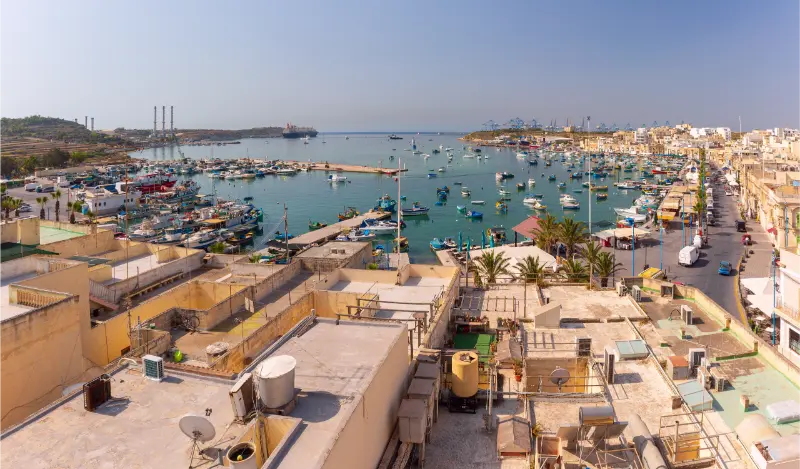
Tartarun, at 20 Xatt is-Sajjieda in Marsaxlokk, is a seafood-focused restaurant that makes sense if you are building a village visit around lunch. Sunday is particularly busy because of the market, so advance planning matters.
Mellieħa: Rebekah’s
Rebekah’s Restaurant, at 12 Triq it-Tgħam in Mellieħa, uses local produce in a more contemporary format and occupies a renovated house of character. It is not where I would go for the cheapest plate of rabbit; it is where I would go for a slower special dinner that still feels connected to Maltese ingredients.
Markets and food shopping
Marsaxlokk on Sunday is the obvious fish-market experience, while local shops and supermarkets are useful for discovering cheese, olives, biscuits, honey and packaged products without paying souvenir-shop markups. If you have an apartment, buying tomatoes, bread, cheese and fruit for one simple meal can be as memorable as another restaurant booking.
How much should you budget for food?
There is no single useful daily figure because Malta ranges from pastizzi and bakery lunches to high-end tasting menus. A budget traveller can keep daytime food inexpensive and spend on one good dinner. Couples who enjoy restaurants should reserve more than they might expect from the low price of street snacks. Waterfront locations in Valletta, Sliema and St Julian’s can charge a premium for position.
Vegetarian and vegan travellers
Traditional Maltese cooking contains plenty of meat, fish and cheese, but modern Malta has far broader options than older guidebooks suggest. Pastizzi and qassatat may be vegetarian depending on filling, though they are not automatically vegan. Valletta, Sliema and St Julian’s have the widest choice. If you have strict dietary requirements, ask directly rather than relying on assumptions about pastry, stock or cheese.
Food with children
Malta is easy for families because pasta, pizza, bread and simple grilled dishes are widely available alongside Maltese food. Let children try local flavours without making dinner a test. Pastizzi, ftira and bakery sweets are low-pressure introductions. On hot days, keep heavy traditional dishes for evening and make lunch lighter.
A one-day Maltese food trail
- Breakfast: warm pastizzi and coffee from a busy bakery.
- Mid-morning: try Kinnie or a local soft drink.
- Lunch: ftira or a simple plate with ġbejniet, tomatoes and olives.
- Afternoon: imqaret with coffee.
- Dinner: choose rabbit, bragioli or fresh fish at a restaurant known for Maltese cooking.
- If staying in Gozo, add a Gozitan ftira and locally produced cheese on another day.
Frequently asked questions
What is the most famous Maltese food?
Pastizzi are probably Malta’s most recognisable everyday snack: inexpensive flaky pastries traditionally filled with ricotta or peas. Rabbit is one of the best-known traditional main dishes, while ftira has become an important symbol of Maltese bread culture. Do not reduce the cuisine to one dish; the most enjoyable way to understand it is to mix bakeries, casual snacks, fish and a traditional sit-down meal.
Is Maltese food similar to Italian food?
There is a clear Sicilian and broader Mediterranean influence, but Maltese cooking has its own identity shaped by the islands’ history, local produce and British and North African connections. You will see pasta and tomato-based flavours alongside rabbit, ġbejniet, pies, soups and distinctive breads. A good food itinerary should therefore include both familiar Mediterranean elements and specifically Maltese preparations.
Where should you try Maltese food?
Do not limit yourself to one famous restaurant. Try pastizzi from a busy local bakery or pastizzeria, buy bread and picnic ingredients, visit a village restaurant for rabbit or bragioli, and choose a reputable harbour restaurant when seafood is the priority. Places such as Ta’ Kris, Gululu, Rebekah’s and Tartarun provide useful reference points in different parts of Malta, but opening days and menus should always be checked before travelling.
Is Malta easy for vegetarian travellers?
Much easier than the stereotype of rabbit and fish suggests. Maltese menus often include vegetable soups, caponata-style dishes, pasta, salads, bread, cheese and pea-filled pastizzi, while contemporary restaurants offer broader vegetarian and vegan choices. Traditional recipes can still contain meat stock or cheese, so ask rather than assuming. Valletta, Sliema and St Julian’s offer the widest variety.
Final thoughts
The best way to understand Maltese food is through contrast: a 60-cent pastry beside a baroque church, a fisherman’s catch in Marsaxlokk, a slow rabbit dinner and a modern chef using local cheese in a completely different way. Do not search for one perfect “authentic” meal. Taste the islands across several days and the culinary identity becomes much clearer.