

Seven days in Malta is enough time to see the headline sights without turning the holiday into a race. You can give Valletta proper attention, spend a full day in Gozo, visit Mdina and Rabat, swim at one of Malta’s better beaches, explore the Three Cities and still leave room for Comino or the southeast coast. The secret is grouping places geographically instead of crossing the island several times a day.
This itinerary is designed for a first visit and works best from late spring through autumn, though the structure can be adapted for winter by replacing beach and boat time with museums, archaeology and walking. It assumes one hotel base in Malta plus an optional night in Gozo. If you have only five days, use our 5-day Malta itinerary instead.
Book the key parts of a 7-day Malta trip
Compare current options before you book. Availability and prices can change by date.
Affiliate links: My Malta Trip may earn a commission at no extra cost to you.
Seven days in Malta at a glance
| Day 1 | Valletta |
| Day 2 | Three Cities + harbour evening |
| Day 3 | Mdina, Rabat and central Malta |
| Day 4 | Gozo |
| Day 5 | Mellieħa and north-coast beach |
| Day 6 | Comino / Blue Lagoon |
| Day 7 | Marsaxlokk and southeast Malta |
Before you start: choose the right base
For this itinerary, Sliema is the most logistically flexible base because of the Valletta ferry and coastal bus connections. Valletta is stronger for atmosphere and history, while St Julian’s is better if nightlife matters. Mellieħa reduces travel time to Gozo and Comino but increases it for the capital and southeast. Compare the trade-offs in our where to stay in Malta guide.
Day 1: Valletta without rushing
Start with Valletta on your first full day because it gives historical context for everything that follows. Arrive early at Upper Barrakka Gardens, then visit St John’s Co-Cathedral before the central streets become busiest. Continue through Republic Street and side lanes, have lunch in the city and choose one substantial afternoon museum or fort rather than attempting every ticketed site.
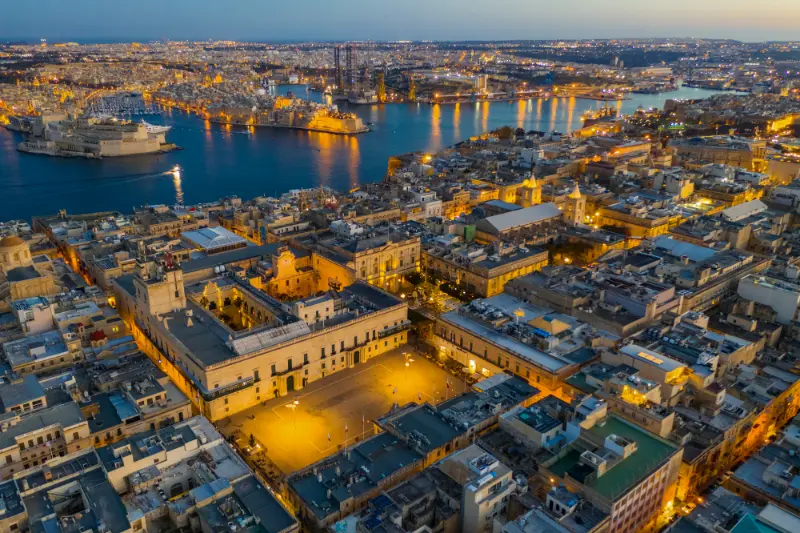
In late afternoon, walk toward Lower Barrakka and the waterfront or cross to Sliema for the skyline view. If you are staying in Valletta, remain after day-trippers leave and enjoy dinner in the quieter evening streets. Do not add Mdina “because it is close on the map”; it deserves its own day.
Day 2: the Three Cities
Take the harbour ferry and use our Three Cities walking route through Birgu, Cospicua and Senglea. Prioritise Fort St Angelo if you enjoy military and political history, or the Inquisitor’s Palace if social history interests you more. The Malta Maritime Museum is currently closed for redevelopment, so older itineraries that allocate a long visit there need updating.
Have lunch in Birgu, then walk toward Senglea for the Gardjola viewpoint. Return by ferry near sunset. This is deliberately a lighter day after Valletta: the value comes from wandering and harbour views, not from accumulating attractions.
Day 3: Mdina and Rabat
Travel to Mdina and Rabat early. Walk Mdina before the main midday wave, visit the cathedral area and bastion viewpoints, then cross into Rabat for lunch. In the afternoon, choose St Paul’s Catacombs or another archaeological site. If you have a car, add Dingli Cliffs late in the day; without one, do not force the extra stop if bus timing makes the day messy.
Day 4: Gozo
Leave early for Gozo. If you are using buses, focus the day on Victoria/Citadel plus one coastal area rather than trying to reach every famous viewpoint. With a rental car, you can combine the Citadel, Ta’ Pinu, the west coast, salt pans and a beach more efficiently, but even then the island deserves pauses.
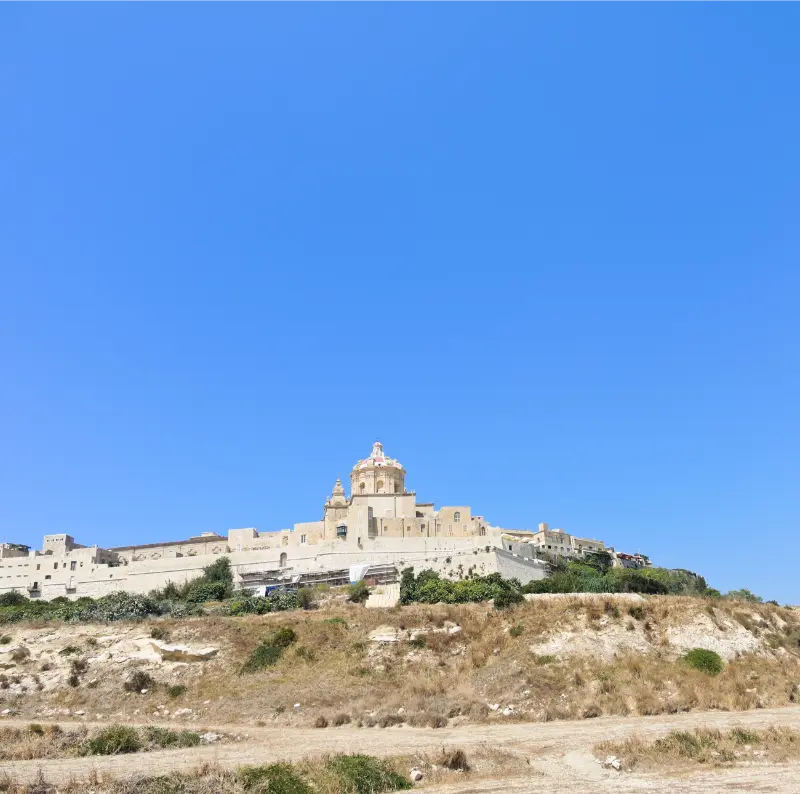
For the best experience, stay one night in Gozo. Dinner after the day-trippers leave and an early morning on the island change the mood completely. If changing hotel feels inconvenient, return to Malta in the evening and keep Day 5 relatively relaxed.
Day 5: Mellieħa and a proper beach day
After several history-heavy days, spend time by the sea. Mellieħa Bay is the easiest choice for a traditional sandy beach and families. Start with the village and church viewpoint if you want some sightseeing, then descend to the bay. Alternatively choose Għajn Tuffieħa if you prefer scenery and do not mind steps.
This is not a “wasted” day. Malta’s coast is a central part of the destination, and a seven-day itinerary should contain time when you are not checking opening hours. Finish with dinner in Mellieħa or return to your main base early.
Day 6: Comino and the Blue Lagoon
Use our current Comino guide and arrange the Blue Lagoon access requirement before you travel. Leave early, swim while conditions are favourable and walk beyond the main landing zone if the weather is comfortable. Do not spend the entire day guarding a tiny patch of crowded rock beside the lagoon.

If wind makes the boat day unattractive, swap Day 6 with Day 7 or another land-based day. This flexibility is one of the advantages of a seven-day trip. Boat plans should follow sea conditions, not a rigid spreadsheet created months before arrival.
Day 7: Marsaxlokk and southeast Malta
Finish with Marsaxlokk. If Day 7 is Sunday, arrive early for the market; otherwise enjoy the quieter harbour. Have seafood for lunch, then choose one extra stop. St Peter’s Pool suits confident swimmers in calm conditions, while the Blue Grotto viewpoint and Ħaġar Qim/Mnajdra suit travellers who want scenery and archaeology.
Do not attempt Marsaxlokk, St Peter’s Pool, Blue Grotto, both temple complexes and a sunset in Mdina in one day. A good final day should feel like a conclusion, not an exam.
What if you do not want Comino?
Replace Day 6 with another Gozo day, more beaches or a deeper Malta history day. Travellers who dislike boats may prefer the prehistoric temples, Mosta, Dingli and a western-coast drive. Couples could also use the spare day for a slower hotel morning followed by Mdina at sunset.
What if you are travelling in winter?
Keep Valletta, the Three Cities, Mdina/Rabat and Gozo, but make Comino optional. Replace a beach day with museums, temples or a long coastal walk. Shorter daylight means you should reduce the number of stops each day. Winter is not a failure version of Malta; it is simply a more cultural and walking-focused trip.
Transport strategy for the week
You do not need a rental car for all seven days. Use ferries and buses for Valletta, Sliema and the Three Cities. Consider renting a car for two or three days covering Gozo, Mellieħa/western beaches and the southeast. This hybrid approach often gives the best balance between convenience and avoiding urban parking.
Malta Public Transport offers visitor products and Airport Direct services, while harbour ferries can save time around Valletta. Read our transport guide and airport transfer guide before deciding what to buy.
How much should you pre-book?
Book popular accommodation, Blue Lagoon access, any must-do boat excursion and limited-capacity attractions in advance. Restaurants need advance booking mainly for special dinners or very popular places. Buses, ordinary ferries and casual meals are better handled flexibly. Overbooking every day removes the main advantage of having a full week.
Seven days with children
Families should reduce museum density and increase beach or pool time. Keep Valletta to one major indoor attraction, make the ferry part of the fun in the Three Cities and use Mellieħa as a recovery day. Comino can be shortened to a half-day. Our Malta with kids guide gives alternatives when children need more variety.
Seven days for couples
Couples can add slower evenings: Valletta after dark, sunset in Mdina, dinner around Spinola Bay and one night in Gozo. If nightlife matters, base in St Julian’s or split the stay between an urban area and Gozo. A week is long enough that changing hotel once can be worthwhile.
A realistic packing reminder
- Comfortable walking shoes for limestone streets and steps
- Water shoes for rocky swimming places
- High-SPF sunscreen and a hat
- Light layers for ferries and breezy evenings
- A reusable water bottle
- A small day bag for boat trips
- Power bank and offline copies of tickets or bookings
Frequently asked questions
Is seven days enough for Malta?
Yes. A week is long enough for a strong first trip covering Valletta, Mdina, the Three Cities, one full Gozo day, a beach or northern Malta, Comino and Marsaxlokk. It is not enough to see every museum, bay and village, and that is a good thing. The itinerary works best when each day has one clear geographic focus.
Should you stay in one hotel for the whole week?
You can. Sliema, Valletta and St Julian’s are convenient single-base choices, while Mellieħa is better for a beach-led holiday. For a more varied trip, spend five nights on Malta and two on Gozo. The split adds a hotel change, but it gives you quieter Gozo evenings and reduces the temptation to compress the island into a rushed day trip.
Do you need a rental car for this itinerary?
No. Ferries, buses and occasional taxis can cover the route, particularly if you stay in a central base. A car is useful for Gozo, remote beaches and flexible southern stops, but parking in the main urban corridor can be a disadvantage. Many travellers get the best balance by renting only for one or two specific days.
What should you change if the weather is bad?
Keep Comino and exposed beach days flexible rather than tying them to non-refundable assumptions. If wind or rain arrives, swap in Valletta museums, Mdina and Rabat, the Three Cities or a food-focused day. Malta’s compact size makes day swapping practical, so check the forecast each evening and protect the weather-dependent experiences instead of following the itinerary mechanically.
Final thoughts
A week in Malta should not feel like seven consecutive day tours. The islands are small enough that you can see a lot, but the best memories often come from the hour you did not schedule: a swim after sightseeing, a quiet Birgu lane, a late Gozo dinner or a ferry ride when the harbour turns gold. Use this itinerary as a geographic framework and keep the pace human.