

The best things to do in Malta are not limited to beaches or historic churches. The islands work because you can combine culture, sea, food, archaeology and small-city atmosphere in the same trip. In one day you might stand inside a baroque masterpiece in Valletta, cross the Grand Harbour by ferry, eat a warm pastizz and finish with a sunset from a bastion.
This list is built for travellers planning a first or second visit. It includes the obvious highlights, but also the experiences that make Malta feel less like a checklist and more like a place.
Book Malta’s best experiences
Compare current options before you book. Availability and prices can change by date.
Affiliate links: My Malta Trip may earn a commission at no extra cost to you.
1. Walk Valletta early in the morning
Valletta deserves more than a quick tour. Arrive before the busiest part of the day, start at the Upper Barrakka Gardens and then wander downhill through the side streets rather than staying only on Republic Street. The city’s character is in the details: enclosed wooden balconies, limestone façades, steep stair streets and sudden views of the harbour.
2. See St John’s Co-Cathedral
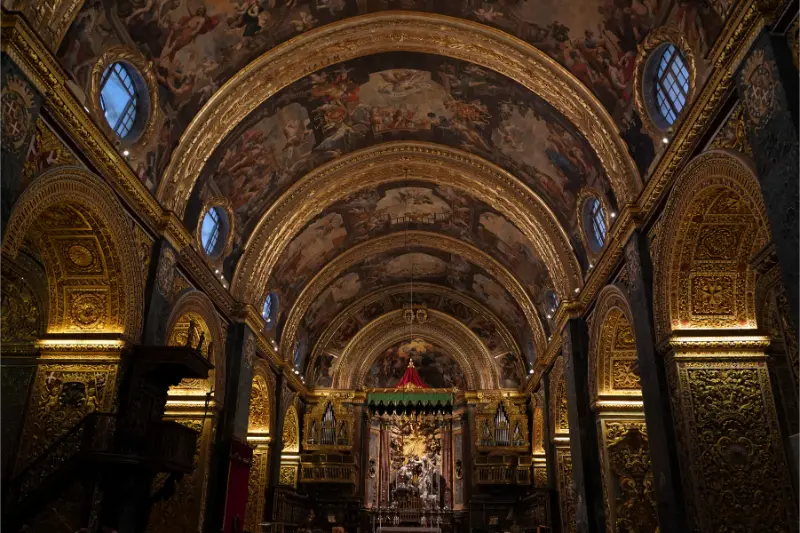
The exterior gives little warning of what is inside. St John’s Co-Cathedral is one of the defining sights of Malta, with an intensely decorated interior and works by Caravaggio. Current visitor information lists opening Monday to Saturday from 09:00 to 16:45, last admission at 16:00, with adult admission at €15; special closures can occur, so check the official visitor page before going.
3. Cross the Grand Harbour by ferry
One of the simplest experiences is also one of the most memorable. Instead of treating the harbour as scenery, cross it. The short ferry connection between Valletta and the Three Cities gives a water-level view of bastions, docks and fortifications and helps you understand why this harbour shaped Maltese history.
4. Explore Birgu and the Three Cities
Birgu, Senglea and Cospicua are often overshadowed by Valletta, which is precisely why they can feel more relaxed. Walk Birgu’s narrow residential lanes, follow the marina and climb toward viewpoints over the harbour. If you like history, Fort St Angelo adds context; if you prefer atmosphere, simply give yourself time to wander.
5. Enter Mdina through the city gate
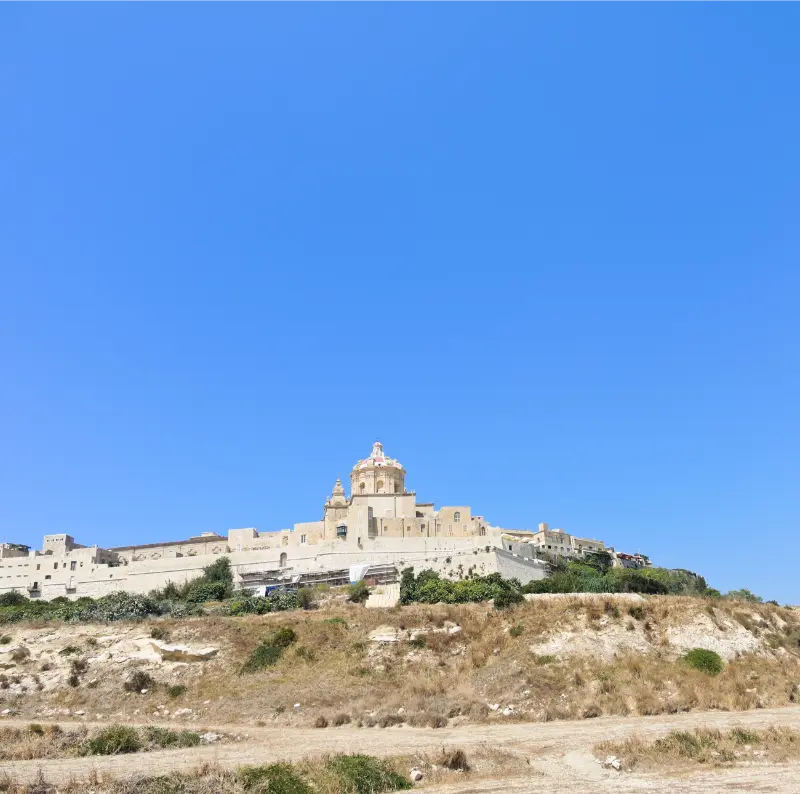
Mdina is at its most atmospheric before the tour groups arrive or toward evening. Walk the walls, stop at the bastion viewpoints and explore the lanes without trying to “complete” them. The walled city is small; the experience comes from its silence, stone and changing light.
6. Continue into Rabat
Many visitors turn back after Mdina, but Rabat makes the day stronger. It has catacombs, churches, local bakeries and normal neighbourhood life. Our Mdina and Rabat guide explains how to combine both without rushing.
7. Spend a full day in Gozo
Gozo should not be reduced to one photo stop. Visit the Citadel in Victoria, choose one or two coastal areas, and leave time for lunch. Ramla Bay, the salt pans, Ta’ Pinu, Dwejra and Xlendi are all good options, but trying to see them all in a few hours misses the point. For a slower plan, see our Gozo travel guide.
8. Swim at the Blue Lagoon — with realistic expectations
Comino’s Blue Lagoon is famous for a reason: in good conditions the water is almost unreal. It is also highly popular. Malta has introduced a visitor booking system, so check the official access information before travel. Go early, bring water and sun protection, and consider exploring beyond the busiest landing area.

9. Choose a beach that matches the wind and your travel style
Mellieħa Bay is convenient for families; Golden Bay is an easy classic; Għajn Tuffieħa is more scenic and requires steps; rocky swimming spots can be wonderful for confident swimmers. The best beach on a particular day often depends on wind direction and sea conditions, not just reputation. See our Malta beaches guide.
10. Watch sunset from the west coast
The west coast is where Malta feels widest and most open. Għajn Tuffieħa, Dingli Cliffs and viewpoints around rural areas are strong sunset choices. Do not arrive at the exact moment of sunset: come 30–45 minutes early, find your position and stay as the colour changes after the sun drops.
11. Visit the Ħaġar Qim and Mnajdra temples
Malta’s prehistoric temples are among the experiences that distinguish the islands from a generic Mediterranean beach destination. Ħaġar Qim and Mnajdra sit close to the coast, so the setting is almost as memorable as the archaeology. Visit early in warm months; shade is limited and the exposed landscape becomes hot.
12. See the Hypogeum if you can secure a ticket
The Ħal Saflieni Hypogeum is one of Malta’s most remarkable archaeological sites and visitor numbers are controlled to protect it. If this is a priority, treat it as an advance-booking item rather than something to decide on the day. Check Heritage Malta for current availability and conditions.
13. Walk the Marsaxlokk waterfront
Marsaxlokk is known for colourful fishing boats and its harbour setting. It is most enjoyable when you look beyond the market stalls and walk the waterfront at an unhurried pace. Pair it with the south coast rather than making a cross-island detour just for an hour.
14. Swim at St Peter’s Pool when conditions are calm
St Peter’s Pool is a rocky natural swimming area rather than a sandy beach. Access, heat and sea conditions matter. Bring suitable footwear, water and a realistic sense of your swimming ability; if the sea is rough, choose another stop.
15. Ride the ferry between Valletta and Sliema
Even if you are not staying in Sliema, the ferry is an easy way to see Valletta from the water. Sliema’s promenade then gives you a completely different side of Malta: modern, urban and open to the sea.
16. Walk the Sliema–St Julian’s promenade
This is not historic Malta, and that is exactly the appeal. The promenade is good for an evening walk, coffee, sea views and people-watching. Continue toward Spinola Bay for a more intimate harbour atmosphere before the nightlife areas begin.
17. Spend an evening in Valletta after day-trippers leave
Valletta changes after dark. The streets become calmer, restaurants fill, and illuminated limestone gives the city a warmer feel. If you are staying elsewhere, plan at least one dinner in the capital instead of always returning to your resort before sunset.
18. Try pastizzi from a simple bakery
You do not need a formal restaurant to taste something memorable. Pastizzi — flaky pastries traditionally filled with ricotta or peas — are inexpensive, filling and deeply embedded in everyday Maltese food culture. They are best eaten hot and fresh, not as a souvenir later.
19. Taste ftira and local cheese
Maltese ftira, gbejna cheese and simple tomato-and-olive combinations are good examples of food that makes sense in the local climate. Seek them out at bakeries, casual cafés or Gozo farm shops rather than limiting yourself to international resort menus.
20. Explore a village festa if your dates align
Religious festas can transform Maltese towns with decorations, music, processions and fireworks. They are living community events, not staged tourist attractions, so watch respectfully, expect traffic changes and remember that celebrations can continue late into the evening.
21. Visit Fort St Elmo and the National War Museum
Fort St Elmo occupies a strategic point at the tip of Valletta. The museum helps connect Malta’s military history across different periods, including the Great Siege and the Second World War. It is a useful stop if you want context rather than just views.
22. Take a harbour cruise or traditional boat ride
A harbour cruise is worthwhile because Malta’s fortifications were designed around water. From a boat you see the scale of the walls, creeks and dockyards in a way that is difficult to understand from street level.
23. Hike a stretch of the coast outside midsummer
Spring and autumn are excellent for coastal walking. Dingli, the north-west and parts of Gozo offer open landscapes, limestone paths and sea views. In July and August, start very early and treat heat exposure seriously.
24. Stay overnight in Gozo
This is the easiest way to experience a quieter rhythm. Once many day visitors leave, Victoria, Xlendi, Marsalforn and the villages feel more relaxed. A single night is enough to change the character of a Malta trip.
25. Leave one afternoon unscheduled
The most useful item on this list is also the least glamorous. Malta rewards improvisation. Keep an afternoon free for the beach with the calmest water, the ferry you suddenly decide to take, or the neighbourhood you liked enough to revisit.
How to choose the right experiences for your trip
| If you love history | Valletta, Mdina, Three Cities, prehistoric temples |
| If you love the sea | Blue Lagoon, Għajn Tuffieħa, Mellieħa Bay, boat trip |
| If you travel with children | Mellieħa, Popeye Village area, aquarium, easy beaches |
| If you want nightlife | St Julian’s and nearby Sliema |
| If you want quiet | Gozo, rural Malta, Mdina early/late |
| If you have only 3 days | Valletta, Mdina/Rabat, one coastal or Gozo day |
Final thoughts
The strongest Malta itinerary mixes one major historic experience, one water-based experience and one slower neighbourhood or village experience. Do that repeatedly and the islands stop feeling like a list of attractions. They start to feel connected — by the same limestone, the same harbours, the same wind and the same long history.