

Parking is one of the least glamorous parts of a Malta road trip and one of the easiest things to underestimate. The islands are compact, many historic streets were never designed for modern traffic, and the places visitors most want to see are often the places where parking demand is highest. A rental car can be useful, but only if you plan where it will go when you stop.
This guide focuses on practical visitor decisions rather than promising secret free spaces that may disappear. Transport Malta’s current guidance notes that parking in major towns can be limited, especially in Valletta, and recommends park-and-ride options. The national Highway Code also sets clear rules on road markings, junctions, pedestrian crossings and reserved spaces.
At a glance
- Use marked parking bays whenever possible
- Double yellow lines mean no waiting at any time under the Highway Code
- Valletta uses a Controlled Vehicular Access system
- Historic centres are easier if you park outside and walk
- Never block garage entrances, bus stops or accessibility bays
The official rules visitors should understand
Transport Malta’s Highway Code states that drivers should use off-street parking or bays marked with white lines whenever possible. It also states that drivers must not wait or park on yellow lines during the times shown, while double yellow lines indicate a waiting prohibition at all times. Reserved spaces such as Blue Badge or resident spaces must not be used unless you are eligible.
Parking rules are enforced, and local temporary restrictions can appear for feasts, roadworks and events. A space that was legal yesterday may be suspended today. Always read nearby signs rather than copying what another driver has done.
Valletta and the CVA system
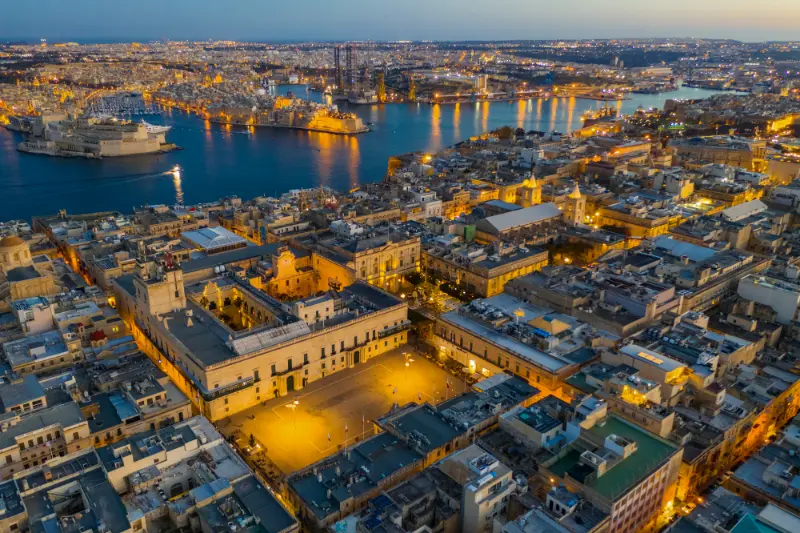
Valletta is the place where driving is least necessary for most tourists. The city operates a Controlled Vehicular Access system using cameras to monitor vehicles entering and leaving charging zones. Transport Malta explicitly advises that parking is limited and points visitors toward park-and-ride solutions.
If you are sightseeing for the day, parking outside the historic core and walking or using public transport is usually less stressful. If your hotel is in Valletta, ask the property how guests should handle vehicle access and luggage before arrival. Do not improvise after entering a restricted area.
Sliema: convenience without guaranteed parking
Sliema is dense, popular and busy. Street spaces near the promenade can be difficult at peak times, and the value of a car is limited if your itinerary mainly uses the Valletta ferry and central attractions. Hotels with confirmed private parking have a meaningful advantage for drivers.
If a listing says “parking nearby”, ask whether that means a guaranteed private space, a paid public car park or simply street parking in the neighbourhood. Those are very different promises.
St Julian’s and Paceville
St Julian’s combines heavy traffic, restaurants, hotels and nightlife. Around Paceville, arriving by car late in the evening can be particularly inconvenient. If you stay here with a rental car, prioritise accommodation with on-site or clearly arranged parking.

For a single night out, leave the car at the hotel and walk or use a taxi. Driving into the busiest nightlife streets adds little value and creates an unnecessary decision after drinking.
Mdina and Rabat
Mdina itself is highly controlled and best approached as a pedestrian visitor. The practical strategy is to park in the Rabat/Mdina area and walk into the Silent City. Demand can be high at popular times, especially weekends and events.
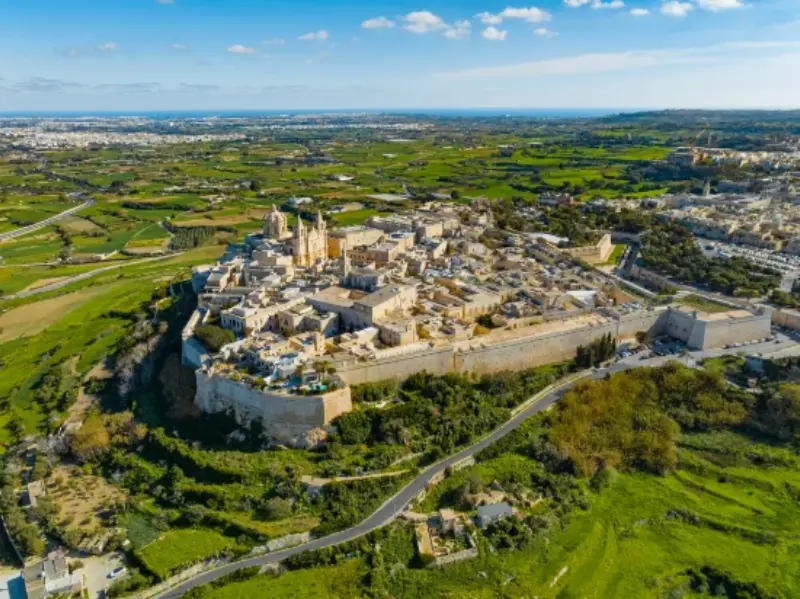
Arrive earlier rather than circling repeatedly. If parking is full near the gate, accept a slightly longer walk. The experience is better than spending twenty minutes searching for the closest possible space.
Mellieħa, Golden Bay and popular beaches
Beach parking is strongly time-dependent. A space that is easy at 08:30 may be extremely difficult late morning in July or August. For Mellieħa Bay, Paradise Bay and Golden Bay, early arrival is one of the most effective parking strategies.
Do not create your own parking space on bends, access roads or areas that obstruct traffic. At rocky swimming places with informal access, be especially conservative. Emergency and local access matter more than saving a few minutes of walking.
Marsaxlokk and St Peter’s Pool
Marsaxlokk is busiest around popular market periods and meal times. Parking farther from the harbour and walking in can be easier than aiming directly for the waterfront. For St Peter’s Pool, road access becomes narrower and parking can be informal.
If you are uncomfortable with tight roads, consider parking before the most constrained section or visiting by boat where suitable. The final approach should not be the place where a nervous driver learns Malta’s road dimensions.
Gozo: easier, but not effortless
Gozo generally feels easier for driving than central Malta, yet Victoria, Xlendi and Marsalforn can still become busy. Rural attractions may have limited formal parking. The same Highway Code rules apply: avoid junctions, garage access, bus stops and reserved bays.
For Victoria, parking outside the densest centre and walking to the Cittadella is often sensible. For beaches such as Ramla, early arrival helps in summer.
Hotel parking: questions to ask before booking
Ask whether parking is on site, guaranteed, free, height-restricted, reservation-only or located at a separate garage. “Private parking” can still have limited spaces. If you plan to leave the car unused for several days, a secure hotel space may be worth paying for.
Travellers using a large SUV should be realistic: Malta’s roads and garages often favour compact cars. Choosing the smallest vehicle that fits passengers and luggage makes both driving and parking easier.
Should you rent a car at all?
A car adds the most value for Gozo, rural beaches, western Malta and multi-stop days. It adds the least value for Valletta-centred itineraries and can be unnecessary in Sliema or St Julian’s. Read our car rental guide and Malta Without a Car article before deciding.
The smartest Malta driving plan often includes days when the car deliberately stays parked. Use ferries and walking in the harbour area, then drive on the days when it genuinely expands your options.
Compare compact cars and rental conditions. A smaller car is often easier for Malta’s streets and parking.
Compare rental cars with DiscoverCarsFrequently asked questions
Can I park on yellow lines in Malta?
Do not assume so. The Highway Code states that waiting and parking are prohibited on yellow lines during the times of operation shown, and double yellow lines prohibit waiting at any time.
Is parking in Valletta easy?
No. Transport Malta specifically notes that parking can be limited and Valletta uses Controlled Vehicular Access. Park-and-ride or public transport is often easier.
Is Gozo easier for parking?
Generally yes, especially outside Victoria and resort centres, but popular beaches and villages can still fill up during peak periods.
Final advice
Treat parking as part of the itinerary rather than an afterthought. Arrive early at beaches, avoid driving into dense historic centres when a better option exists, choose a compact rental car, and read signs every time. Malta is much more enjoyable when the car helps you reach places instead of becoming the day’s main problem.
A final practical planning check
Before confirming the booking or itinerary, open the map and test the plan as a real day rather than a list of attractions. Check the walking route, the transport option you would use in the evening, where you would buy water or breakfast, and what happens if the weather changes. Malta is compact, but hills, summer heat, traffic and waiting time can turn a simple-looking day into a tiring one. A ten-minute planning check often reveals more than another hour of scrolling through generic recommendations.
Keep flexibility in the schedule. The most successful Malta trips usually combine one or two fixed reservations with room to react to sea conditions, heat and energy levels. Save official links and booking confirmations offline, carry a backup payment method and avoid scheduling every transfer with no buffer. These habits are not exciting, but they are what make the useful parts of a guide work in real life.
Temporary restrictions, feast days and towing
Malta regularly uses temporary parking restrictions for village feasts, roadworks, events and public works. These can appear as local notices or temporary signs even on streets where parking is normally permitted. If you leave a rental car for several days without checking it, you risk returning to a space that became restricted after you parked. This matters especially in summer, when local festa calendars are busy.
When staying in a residential neighbourhood, ask the hotel or host whether any feast, market or road closure is expected during your visit. If signs appear after you have parked, move the car before the stated restriction begins. Never assume that other parked vehicles prove the restriction is not active; residents may be about to move them or have permissions you do not have.
Photograph the car after parking, including nearby markings and signs. This is useful for remembering the location and for documenting the condition and context if there is a dispute. Save the rental company’s roadside-assistance number separately from the car, and do not leave the rental agreement with personal documents visible inside the vehicle.