

Six days in Malta is one of the best trip lengths for first-time visitors. It is long enough to include Valletta, Mdina, the Three Cities, Gozo and Comino, but short enough that every transfer still matters. The key is not to assign one attraction to every hour. Instead, give each day a geographical theme and keep at least one weather-sensitive day flexible.
This itinerary assumes five or six nights, with most travellers based on Malta and an optional night on Gozo. It balances history, sea and village atmosphere, and it works especially well from late spring to autumn. In winter, replace the Comino day with additional cultural stops or a slower Gozo programme.
Where to stay for a six-day trip
A single base in Valletta, Sliema or St Julian’s keeps logistics simple. Valletta is strongest for history and buses; Sliema works well for ferries and accommodation choice; St Julian’s adds restaurants and nightlife. Mellieħa is attractive for beaches and northern access but increases travel time to Valletta and the south.
Splitting the stay can improve the trip if you genuinely want evenings on Gozo. Four nights on Malta plus one or two nights on Gozo reduces backtracking and gives you a quieter side of the archipelago after day-trippers leave. Do not split hotels merely because an itinerary says you should: packing and check-in consume time too.
For six days, choose one efficient base or split the trip only if sleeping on Gozo adds something you value.
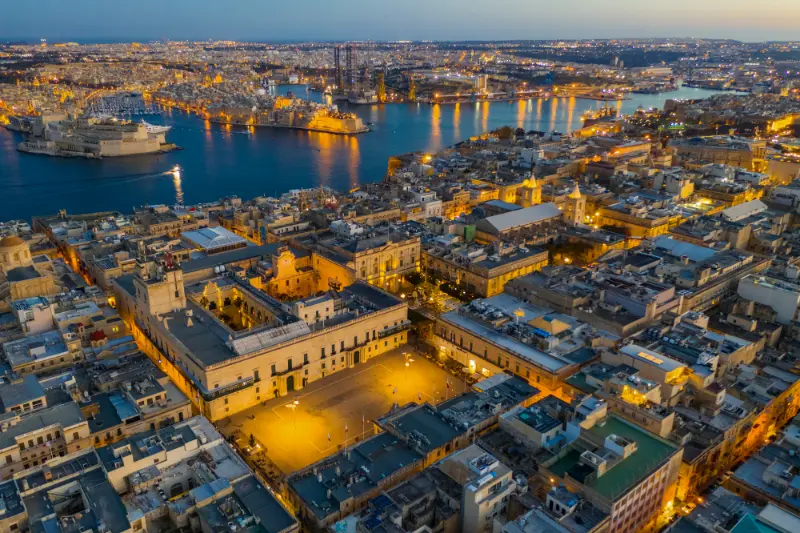
Compare accommodation on Booking.comUse the first day to understand Malta rather than immediately crossing the island. Start at Upper Barrakka Gardens, then choose St John’s Co-Cathedral or Fort St Elmo as your main interior. Walk the lower streets, see the harbour from more than one viewpoint and let lunch be part of the day.
In the afternoon, add Casa Rocca Piccola, the National Museum of Archaeology or Lascaris War Rooms according to interest. Do not try to visit all three. Finish with an evening in Valletta or cross to Sliema for the skyline view.
Day 2: the Three Cities and harbour history
Cross to Birgu and spend the morning around the marina, old streets and Fort St Angelo. Continue through Senglea for its viewpoint and take time to notice how residential life sits inside a monumental harbour landscape.
The afternoon can remain in the Three Cities or include a harbour cruise. Keeping Day 2 geographically compact prevents the first half of the trip from becoming exhausting. This is also an excellent day for a guided tour because the fortifications make more sense when someone explains how the harbour evolved.
Day 3: Mdina, Rabat and Mosta
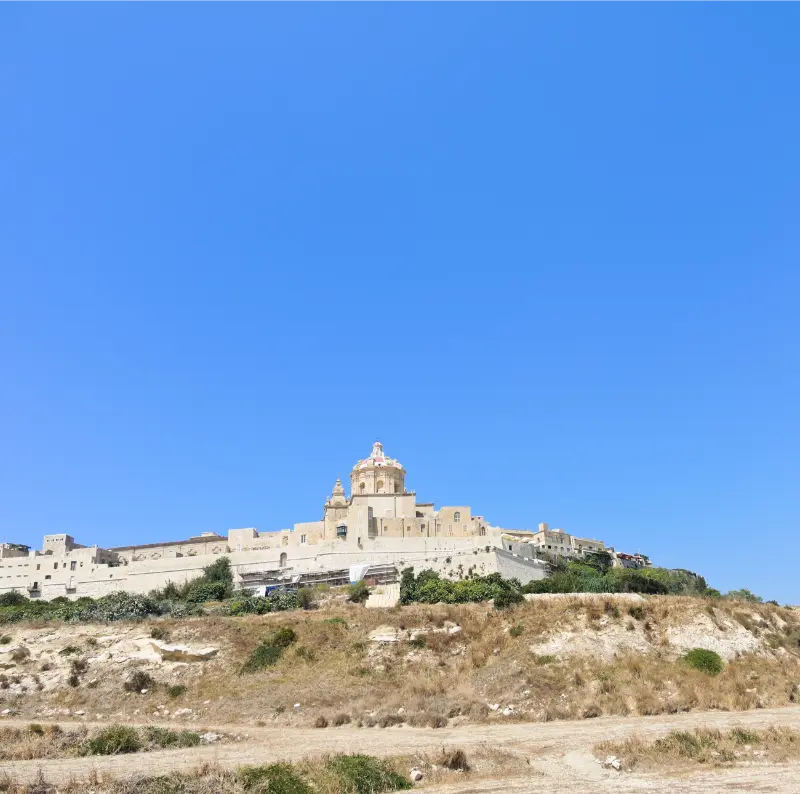
Go to Mdina early. Walk the old capital before the busiest period, then continue into Rabat for St Paul’s Catacombs or a relaxed lunch. The two places should be treated as one cluster, not separate day trips.
Add Mosta Rotunda in the afternoon if energy and opening arrangements allow. This creates a logical central-Malta route. If you prefer prehistoric history, use the afternoon for another cultural site and leave Mosta out; six days gives you options, but not an obligation to use all of them.
Day 4: Gozo as a full island day
Take the ferry to Gozo early and focus on a realistic route. Victoria and the Cittadella deserve time, then choose two or three additional areas such as Ta’ Pinu, Xlendi, Marsalforn, Ramla Bay or the Ġgantija area. A private car, rental car or organised tour can make a one-day Gozo visit more efficient; buses work, but require more schedule awareness.
Do not think of Gozo as “Malta in miniature.” The island has a different scale, more rural transitions and a slower evening rhythm. If possible, stay for sunset or overnight. If you return the same day, avoid scheduling your final ferry with no buffer.
Compare full-day Gozo tours if you prefer not to coordinate buses, ferries and multiple island stops yourself.
See Gozo day tours on GetYourGuideMake Comino your weather-dependent day. Check sea and wind conditions and use a reputable boat operator. Blue Lagoon is famous for a reason, but the experience depends heavily on timing and crowd levels. Earlier departures and shoulder-season visits usually feel calmer than arriving at peak midday.
Do not treat the Blue Lagoon as the only reason to be on the water. A good boat day includes coastal scenery, swimming where conditions allow and time away from the busiest section. Respect any current access or visitor-management rules and confirm them shortly before departure.
If the sea is rough, swap Day 5 with Day 6. A six-day itinerary should be flexible enough to move the boat day.
Day 6: beaches and the northwest coast
Use the final day for Malta’s coast. Golden Bay and Għajn Tuffieħa make a strong pair because they are close but visually different. Mellieħa Bay is easier for families and travellers who prefer a broader sandy beach. Paradise Bay can work if you are already in the far north.
In cooler months, turn Day 6 into a coastal walking and viewpoint day rather than forcing a swim. Dingli, the west coast and smaller villages can provide a different final impression from the harbour cities.
Alternative Day 6: prehistoric Malta and the Blue Grotto
If archaeology matters more than beaches, use the final day for Ħaġar Qim and Mnajdra, then continue toward the Blue Grotto viewpoint or boat area when conditions permit. This is one of the most coherent thematic days on Malta because the temples and southern coast belong to the same geographical zone.
Check official opening and boat information before travel. The temples are fixed attractions; small-boat operations are more weather-sensitive.
Should you rent a car for six days?
A car is not necessary for Valletta, the Three Cities or Mdina. It becomes useful for the west coast, rural beaches and a self-directed Gozo day. Many travellers get better value by renting for only part of the trip rather than keeping a car while it sits parked during city days.
If you rent, remember Malta drives on the left and parking can be the most frustrating part of urban travel. Read the rental and parking guides before choosing accommodation based on a “free parking nearby” promise that may not match reality.
Compare rental prices and conditions for the days when beaches, rural Malta or Gozo make a car genuinely useful.
Compare Malta car hire with DiscoverCarsThe itinerary is deliberately modular. Valletta, the Three Cities and Mdina can be visited in most weather. Gozo is manageable in mixed conditions but better when visibility is good. Comino should move to the best sea day. Beaches belong on the warmest, calmest afternoon.
Do not decide the exact boat day months in advance and then refuse to change it. Confirm forecast and operator information locally. Flexible sequencing is the difference between a good island itinerary and one that fights the weather.
Six days with children
Keep Valletta shorter, make harbour crossings part of the fun and consider the Malta National Aquarium or Popeye Village as alternatives to another historical interior. Mellieħa Bay and family-friendly beaches are easier than rocky swimming platforms for younger children.
On Gozo, reduce the number of stops. Victoria plus one beach and one scenic site is enough for many families. The purpose of six days is to create space, not fill it.
Six days without a car
Stay in Valletta or Sliema, use buses for Mdina and Mellieħa, ferries where practical and an organised Gozo or Comino excursion if it simplifies the difficult days. A car-free trip is entirely realistic, but not every remote beach should be treated as equally convenient.
An occasional taxi can be a smart compromise after a long day. Compare the cost with the time saved, especially for two or more travellers.
What to book in advance
Prioritise limited-capacity attractions and major boat days. If the Hypogeum is important to you, its capacity is restricted and advance planning is essential. For Comino, choose an operator based on departure point, vessel style, itinerary and cancellation conditions, not just the headline price.
Accommodation on Gozo can also sell quickly around holidays and popular weekends. If you plan an overnight split, book the island stay before fixing all day-by-day details.
Suggested six-day rhythm
Day 1 Valletta. Day 2 the Three Cities. Day 3 Mdina, Rabat and Mosta. Day 4 Gozo. Day 5 Comino. Day 6 beaches or the southern archaeological coast.
That order is not sacred. The real principle is alternating intensive cultural days with open-air days, while keeping the boat excursion movable. Your energy will be better and the trip will feel longer in the best possible way.
Frequently asked questions
Is six days enough for Malta and Gozo?
Yes. Six days allows a full Gozo day and the main highlights of Malta without reducing every place to a photo stop.
Should I spend a night on Gozo?
It is worthwhile if rural evenings and a slower atmosphere appeal to you. If changing hotels feels disruptive, a full day trip still works.
Can I include Blue Lagoon?
Yes, but keep the day flexible around sea conditions. Do not sacrifice a core cultural day solely to preserve a pre-set boat date in bad weather.

Is six days too long in winter?
No. Replace Comino and long beach time with museums, prehistoric sites, walks and more time in Valletta, Mdina and Gozo.
Final advice
Six days is long enough to stop travelling like every hour must be justified. Give Valletta a full day, keep Gozo substantial, let Comino depend on the weather and preserve one coastal day that can change shape.
The result is a first Malta trip with real variety: fortified cities, ancient sites, ferry crossings, rural island scenery and clear Mediterranean water. More importantly, you finish with memories of places rather than memories of transfers.