

Malta is one of the Mediterranean’s most accessible destinations for combining ordinary sightseeing with serious underwater experiences. Clear water, rocky coastlines, caves and numerous wreck sites attract divers, while snorkelers can enjoy sheltered bays and coves without turning the entire holiday into a specialist trip.
The official Malta tourism site currently highlights more than 120 dive sites across the Maltese Islands, including shore and boat dives. That variety is a strength, but it also means location and sea conditions matter. The “best spot” on a windy day may simply be the sheltered side of the island rather than the place with the most dramatic photos online.
Book sea activities in Malta
Compare current options before you book. Availability and prices can change by date.
Affiliate links: My Malta Trip may earn a commission at no extra cost to you.
At a glance
| Activity | Good areas |
| Easy snorkeling | Sheltered bays / Comino in suitable conditions |
| Shore diving | Malta and Gozo coastal sites |
| Caves | Gozo / Comino / west coast with qualified operators |
| Wrecks | Multiple designated sites around Malta |
| Beginners | Licensed dive centre + calm training site |
Why Malta is so popular with divers
Visit Malta describes the archipelago as having more than 120 dive sites within short distances of one another. The combination of clear water, shore access and wrecks means experienced divers can build a varied week without long boat transfers every day. Gozo adds caves and dramatic geological formations, while Comino has sites such as the P31 wreck and Lantern Point.
This does not mean every site suits every diver. Depth, overhead environments, currents and wreck penetration demand appropriate training. Use an established dive centre and be honest about certification and recent experience. A qualification card is not the same as current comfort in the water.
Best areas for snorkeling
Comino is famous for clear water, but Blue Lagoon can be busy and boat traffic changes the experience. Crystal Lagoon and other coves can be excellent when reached safely. Follow the current visitor-management system if you plan to go ashore at Blue Lagoon.
Mellieħa and the north offer several bays where beginners can enter from shore more easily than from exposed rock. Gozo has attractive snorkeling around places such as Xlendi and selected rocky inlets, while Malta’s west and south coasts provide clearer rocky habitats on suitable days.
For casual snorkeling, choose a protected entry and visible exit rather than chasing a famous name. The best underwater visibility is useless if waves make getting out difficult.
Comino for snorkeling and diving
Comino’s clear water is visually spectacular, and the official tourism site specifically promotes the island to snorkelers and divers. The P31 patrol boat wreck is one of the well-known dive sites near Comino, while Lantern Point offers deeper and more technical possibilities depending on route and certification.
For snorkelers, boat traffic is the main practical issue. Stay within designated or obviously safe swimming zones, follow crew instructions and never assume a quiet patch of water will remain free of boats. Bright surface markers are valuable when used appropriately.
Gozo for a dedicated dive day
Gozo is a strong choice if diving is more than a casual add-on. Dwejra is internationally known for underwater geology, while other sites around the island provide caves, reefs and shore entries. Because Gozo is small, conditions on one coast can be poor while another side is workable.
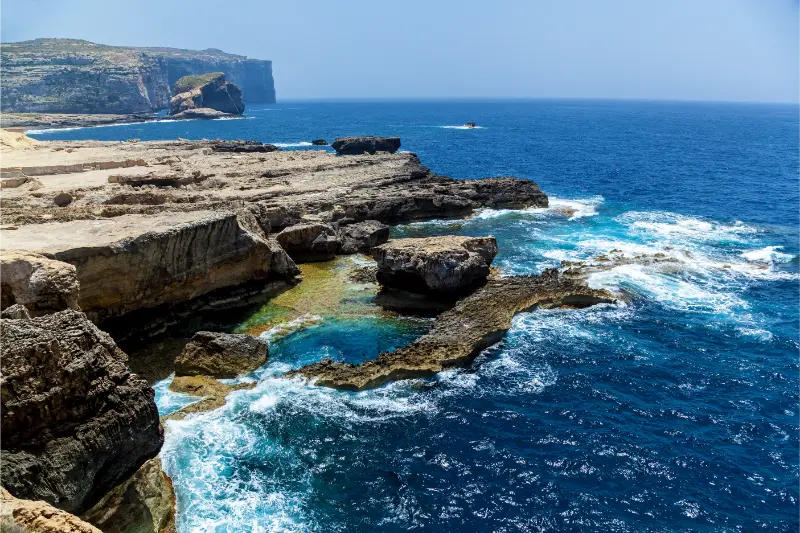
If you are staying on Malta but diving Gozo, ask whether the dive centre handles ferry logistics or whether you should meet on the island. For multiple dive days, sleeping on Gozo can reduce early starts and lets you enjoy the island after your final dive.
Wreck diving
Malta’s wartime and maritime history extends underwater. The official tourism directory includes numerous wreck sites, and some wrecks have been deliberately scuttled to create dive attractions. Depths vary widely, so a site that appears in a “top wrecks” list may require advanced qualifications.
Do not choose a wreck purely because the photograph looks dramatic. Discuss depth, bottom time, visibility, entry method and whether penetration is planned. Overhead penetration changes the risk profile and should never be improvised by a recreational diver without appropriate training.
Can beginners learn to dive in Malta?
Yes. Visit Malta notes that recognized diving qualifications can be obtained on the islands, including programs for children aged 10 and over under relevant training standards. The important step is choosing a properly licensed and reputable centre, then allowing enough time in your itinerary for training rather than squeezing a course between late nights and a flight.
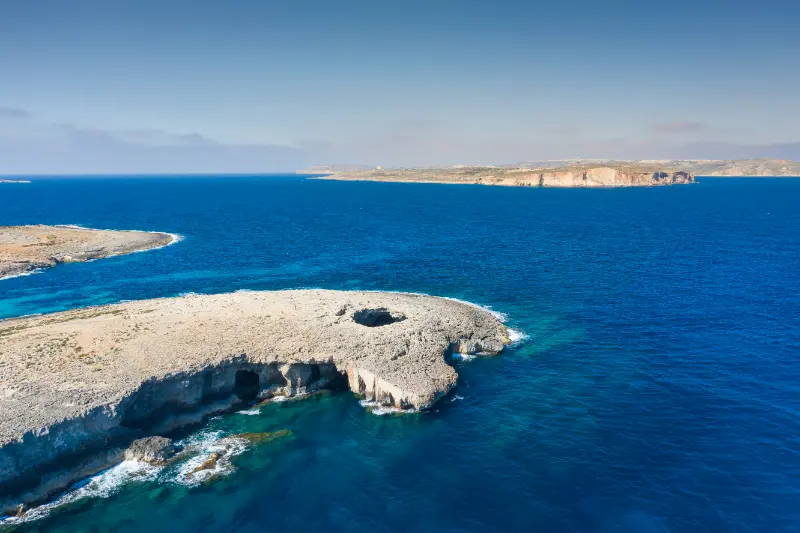
If you have never dived, a supervised introductory session can tell you whether you actually enjoy breathing underwater before committing to a full certification course. Choose calm conditions and a centre that does not rush the briefing.
Flying after diving
Divers must leave an appropriate surface interval before flying. The exact recommendation depends on the number and type of dives and the guidance of your training agency. Do not schedule your final scuba dive on the morning of your flight simply because the airport is close.
Build the last day around Valletta, Mdina or another land activity. This is one reason a dive holiday benefits from planning the underwater days earlier rather than leaving them flexible until the end.
Snorkeling safety for ordinary travellers
- Check wind and sea state, not only sunshine.
- Use a sheltered entry and identify how you will exit before entering.
- Wear fins only if you can control them comfortably.
- Use sun protection on your back and legs.
- Never snorkel alone in exposed or unfamiliar water.
- Keep away from boat channels and follow local warning signs.
- Do not touch marine life or stand on fragile underwater habitat.
Best season for snorkeling and diving
Summer offers warm water and long days, but popular bays are busier. September and early autumn can be excellent because the sea retains warmth while some visitor pressure eases. Spring provides good diving opportunities but snorkeling comfort depends on water temperature and your tolerance. Winter diving is possible for equipped, experienced divers when conditions cooperate.
Weather flexibility matters more than the month. Keep at least one alternative activity available if a dive centre moves the day because of wind.
What equipment should you bring?
Casual snorkelers can rent or buy equipment locally, but a well-fitting mask is the item most worth bringing if you already own one. Dive centres provide rental gear and cylinders under their own procedures. If you travel with personal dive equipment, confirm airline baggage rules and what the centre expects you to provide.
Water shoes are useful for rocky shore entries but are not a substitute for understanding surf and swell. A thin rash vest also protects against sun during long snorkeling sessions.
How to fit diving into a normal sightseeing holiday
If only one person in a couple or family dives, schedule dives early in the trip and near another worthwhile area. A morning shore dive can leave the afternoon free for Valletta, a beach or a shared lunch. A full dive day on Gozo can be paired with a separate sightseeing plan for non-divers, then everyone meets in Victoria or by the coast later.
Avoid placing demanding dives after a very late Paceville night. Hydration, sleep and clear judgement matter. The same applies to long summer sightseeing days: a diver who spent eight hours walking in heat may be less prepared for an early boat departure the next morning. Treat diving as a physical activity that deserves its own recovery time, not an extra item squeezed into an already full itinerary.
Frequently asked questions
Is Malta good for snorkeling?
Yes. Clear water and a rocky coastline create many snorkeling opportunities, especially around sheltered coves, Comino and Gozo. Conditions vary with wind, so the best location changes by day. Beginners should prioritize easy entry, calm water and low boat traffic over famous exposed sites.
Is Malta good for scuba diving?
Very much so. Visit Malta currently promotes more than 120 dive sites, including shore dives, boat dives, caves and wrecks. The islands suit different experience levels, but individual sites can be deep or technical, so use a licensed dive centre and match the site to your certification.
Can children scuba dive in Malta?
Training organizations may offer programs from age 10 under specific standards, and Visit Malta notes that children aged 10 and over can obtain PADI qualifications. Suitability still depends on maturity, health, the course and the dive centre. Parents should discuss the exact program with a reputable operator rather than relying on a generic age statement.
Where is the clearest water in Malta?
Comino is famous for exceptionally clear turquoise water, but clarity can also be excellent around Gozo and rocky areas of Malta. The visual colour at Blue Lagoon comes partly from shallow white sand and rock. For actual snorkeling quality, sea state and boat traffic matter as much as the colour you see from shore.
Final thoughts
Malta rewards underwater curiosity at every level, from ten minutes with a mask in a sheltered bay to a week built around wrecks and caves. Respect sea conditions, use qualified professionals for diving and let the weather decide the exact site. The safest choice is often also the one with the best visibility and most enjoyable water time.